Uncategorized
How AI is Transforming the Advertising Industry in 2026

Advertising is no longer what it used to be. The days of broad targeting, generic messaging, and guesswork-driven campaigns are fading fast. In 2026, artificial intelligence isn’t just a tool in advertising—it’s the engine driving it. From how ads are created to how they are delivered and optimized, AI is reshaping the industry at every level.
The biggest shift is in how brands understand their audience. Earlier, marketers relied on limited data and assumptions. Today, AI analyzes massive amounts of behavioral data in real time, identifying patterns that humans simply cannot. It knows what people watch, when they engage, and what makes them click. This has turned advertising into a highly personalized experience, where every user sees content tailored specifically to them.
Creativity, once considered purely human, is also being redefined. AI tools can now generate ad copies, visuals, and even video edits within seconds. What used to take hours of brainstorming and production can now be done almost instantly. This doesn’t eliminate human creativity—it enhances it. Teams can test multiple ideas quickly, refine what works, and scale winning concepts faster than ever before.
Speed has become a major competitive advantage. Campaigns are no longer planned months in advance and left unchanged. AI allows real-time optimization, where ads continuously evolve based on performance. If something isn’t working, it’s adjusted immediately. If something performs well, it’s amplified. This dynamic approach ensures that every campaign stays relevant and effective.

Media buying has also undergone a transformation. AI-driven programmatic advertising automates the process of placing ads, ensuring they reach the right audience at the right time and at the best possible cost. It removes inefficiencies and reduces wasted spend, making advertising more precise and cost-effective.
Another key change is predictive decision-making. AI doesn’t just analyze past data—it predicts future behavior. It can forecast which audience segments are most likely to convert, which creatives will perform best, and when to launch campaigns for maximum impact. This level of foresight allows brands to stay ahead rather than react.
At the same time, AI is reshaping content formats. Short-form videos, personalized ads, and interactive experiences are becoming the norm. AI helps tailor these formats to individual preferences, ensuring that content feels relevant rather than intrusive. The result is advertising that blends more naturally into the user’s digital experience.
However, this transformation also brings challenges. Concerns around data privacy, ethical use of AI, and over-automation are growing. As advertising becomes more personalized, maintaining transparency and trust is more important than ever. Brands that misuse data risk losing credibility, no matter how advanced their technology is.
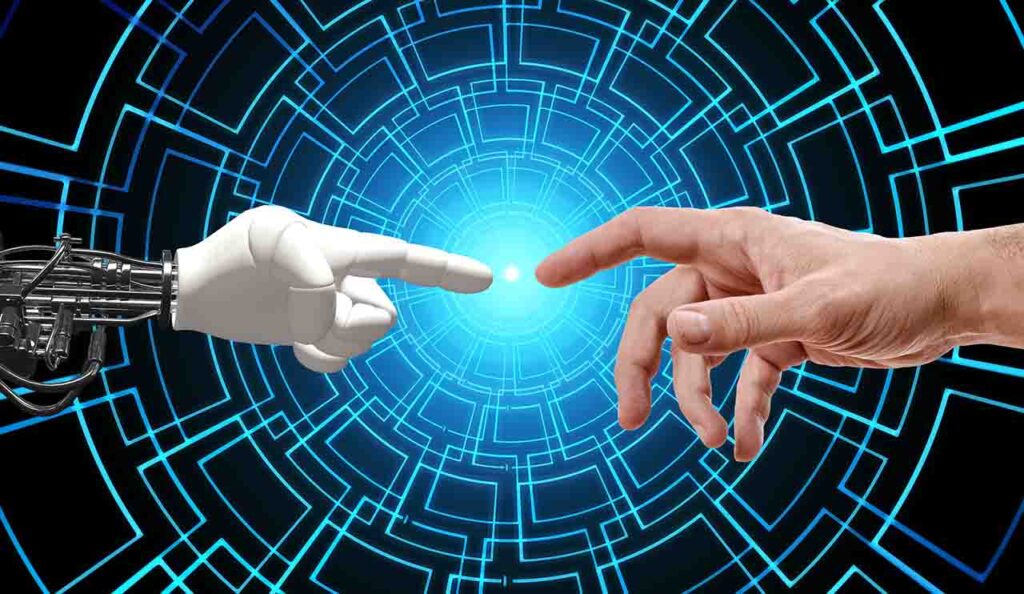
Despite these challenges, one thing is clear: AI is not replacing advertisers—it is redefining their role. The focus is shifting from manual execution to strategic thinking. Marketers who understand how to work alongside AI, rather than compete with it, will lead the future of the industry.
In 2026, advertising is faster, smarter, and more personalized than ever before. But at its core, one thing remains unchanged—the need to connect with people. AI may power the system, but it’s still human insight and storytelling that make advertising truly effective.