Uncategorized
How AI is Transforming the Advertising Industry in 2026


Advertising is no longer what it used to be. The days of broad targeting, generic messaging, and guesswork-driven campaigns are fading fast. In 2026, artificial intelligence isn’t just a tool in advertising—it’s the engine driving it. From how ads are created to how they are delivered and optimized, AI is reshaping the industry at every level.
The biggest shift is in how brands understand their audience. Earlier, marketers relied on limited data and assumptions. Today, AI analyzes massive amounts of behavioral data in real time, identifying patterns that humans simply cannot. It knows what people watch, when they engage, and what makes them click. This has turned advertising into a highly personalized experience, where every user sees content tailored specifically to them.
Creativity, once considered purely human, is also being redefined. AI tools can now generate ad copies, visuals, and even video edits within seconds. What used to take hours of brainstorming and production can now be done almost instantly. This doesn’t eliminate human creativity—it enhances it. Teams can test multiple ideas quickly, refine what works, and scale winning concepts faster than ever before.
Speed has become a major competitive advantage. Campaigns are no longer planned months in advance and left unchanged. AI allows real-time optimization, where ads continuously evolve based on performance. If something isn’t working, it’s adjusted immediately. If something performs well, it’s amplified. This dynamic approach ensures that every campaign stays relevant and effective.

Media buying has also undergone a transformation. AI-driven programmatic advertising automates the process of placing ads, ensuring they reach the right audience at the right time and at the best possible cost. It removes inefficiencies and reduces wasted spend, making advertising more precise and cost-effective.
Another key change is predictive decision-making. AI doesn’t just analyze past data—it predicts future behavior. It can forecast which audience segments are most likely to convert, which creatives will perform best, and when to launch campaigns for maximum impact. This level of foresight allows brands to stay ahead rather than react.
At the same time, AI is reshaping content formats. Short-form videos, personalized ads, and interactive experiences are becoming the norm. AI helps tailor these formats to individual preferences, ensuring that content feels relevant rather than intrusive. The result is advertising that blends more naturally into the user’s digital experience.
However, this transformation also brings challenges. Concerns around data privacy, ethical use of AI, and over-automation are growing. As advertising becomes more personalized, maintaining transparency and trust is more important than ever. Brands that misuse data risk losing credibility, no matter how advanced their technology is.
Despite these challenges, one thing is clear: AI is not replacing advertisers—it is redefining their role. The focus is shifting from manual execution to strategic thinking. Marketers who understand how to work alongside AI, rather than compete with it, will lead the future of the industry.
In 2026, advertising is faster, smarter, and more personalized than ever before. But at its core, one thing remains unchanged—the need to connect with people. AI may power the system, but it’s still human insight and storytelling that make advertising truly effective.










Uncategorized
Gap Rewinds to the ’90s with Hailey Bieber’s Denim Revival
At the centre of the campaign is The Hailey Jean, a collection influenced by Bieber’s signature street style and the relaxed silhouettes that made Gap a denim icon during the ’90s.
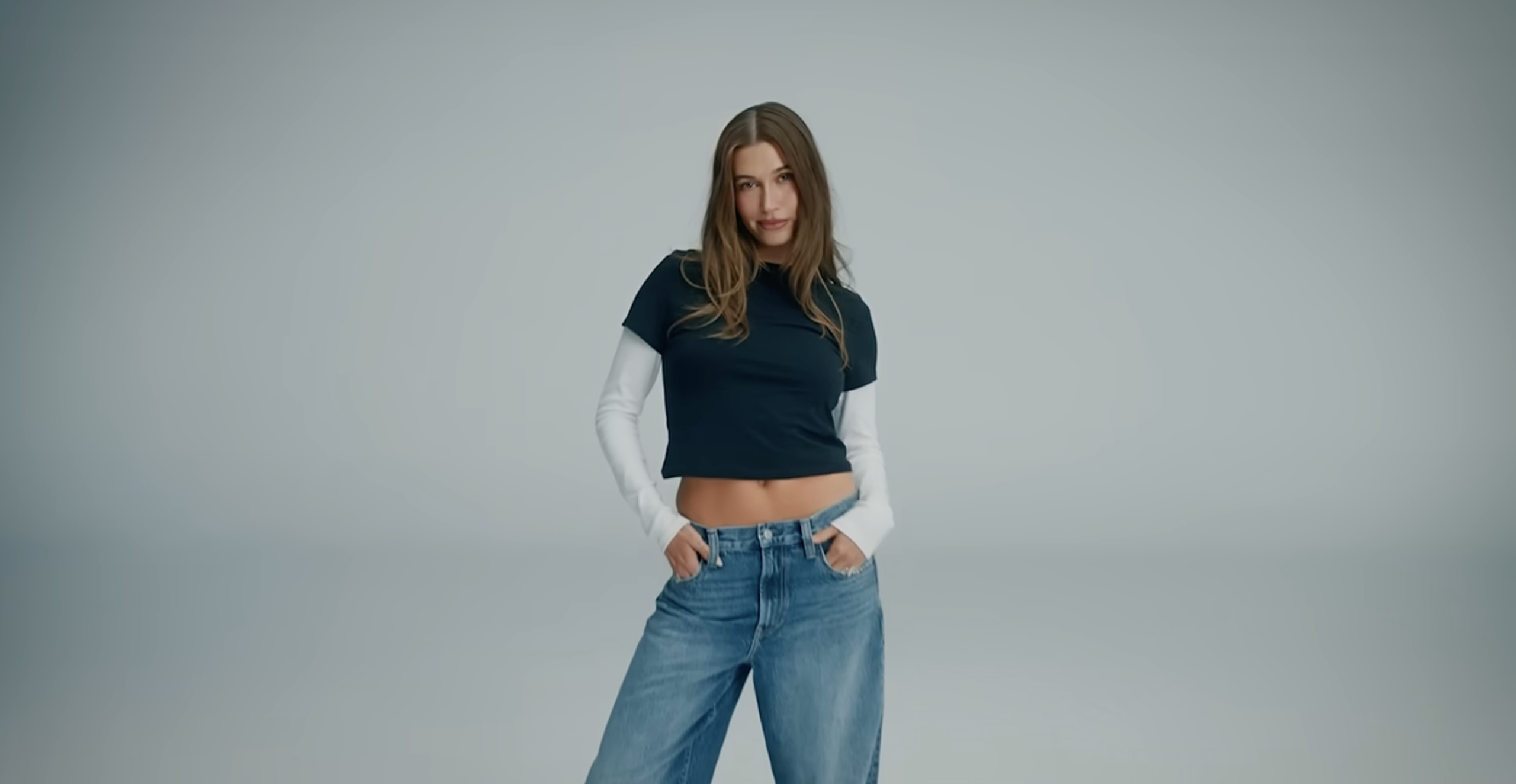
Gap has teamed up with Hailey Bieber to revive its iconic denim heritage with a limited-edition capsule inspired by the effortless style of the 1990s. The collaboration marks another step in Gap’s strategy to reconnect with its fashion legacy while appealing to a new generation of denim enthusiasts.
At the centre of the campaign is The Hailey Jean, a collection influenced by Bieber’s signature street style and the relaxed silhouettes that made Gap a denim icon during the ’90s. The capsule introduces oversized and loose-fit denim styles, blending vintage-inspired aesthetics with modern tailoring to suit today’s fashion preferences.
Rather than following short-lived trends, the campaign celebrates timeless wardrobe essentials. Through clean visuals and minimal styling, Gap places denim at the heart of the storytelling, reinforcing the idea that classic jeans remain a versatile fashion staple across generations.
The collaboration also reflects the growing importance of celebrity partnerships in the fashion industry. Hailey Bieber’s influence among Gen Z and millennials adds contemporary relevance to Gap’s heritage, helping the brand connect with younger consumers while maintaining its authentic identity.
Beyond the product launch, the campaign highlights Gap’s broader effort to re-establish itself as a leader in premium casualwear. By combining nostalgia with modern design, the brand taps into the continuing popularity of ’90s fashion trends, which remain influential across global runways and social media platforms.
The limited-edition collection showcases signature denim fits inspired by vintage archives, offering consumers styles that balance comfort, simplicity, and everyday wearability. The campaign also demonstrates how heritage brands can successfully reinvent classic products through thoughtful collaborations and authentic storytelling.
With Hailey Bieber leading the campaign, Gap successfully bridges fashion nostalgia with contemporary culture, proving that iconic denim continues to remain relevant in today’s evolving style landscape.
Uncategorized
OPPO and Instagram Join Forces to Fuel India’s Creator Economy
The partnership reflects the rapid rise of India’s creator economy and the growing demand for stronger tools, platforms, and ecosystems that support modern storytelling and content creation.
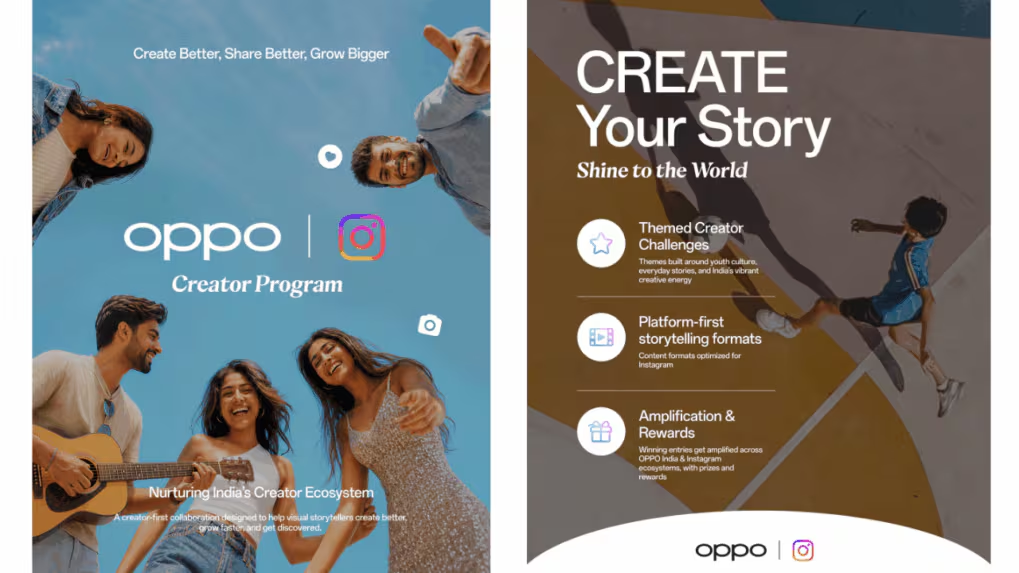
OPPO and Instagram have announced a strategic collaboration aimed at empowering India’s next generation of digital creators. The partnership reflects the rapid rise of India’s creator economy and the growing demand for stronger tools, platforms, and ecosystems that support modern storytelling and content creation.
The collaboration brings together OPPO’s smartphone imaging capabilities and innovation-driven technology with Instagram’s extensive creator ecosystem and content-sharing platform. Through this initiative, the two brands aim to encourage creativity, authentic storytelling, and digital expression among emerging creators across the country.
India’s creator landscape has witnessed significant growth over the past few years, driven by short-form video content, mobile-first storytelling, and evolving social media consumption habits. As content creation increasingly becomes a full-time profession and entrepreneurial opportunity, creators are seeking better resources, enhanced production quality, and wider audience engagement.
The OPPO–Instagram partnership is designed to respond to this shift by providing creators with stronger creative support and technology-led solutions. By combining smartphone innovation with social media influence, the initiative seeks to help creators improve content quality, experiment with storytelling formats, and strengthen audience connections.
The collaboration also highlights a broader industry trend where brands are moving beyond traditional advertising and investing directly in creator communities. Supporting creators is becoming a key strategy for brands looking to build cultural relevance, deeper engagement, and long-term digital impact.
With this partnership, OPPO and Instagram reinforce their shared commitment to India’s evolving creator ecosystem, positioning themselves as enablers of innovation, creativity, and the future of digital storytelling.

Four Seasons Naked Condoms has launched a new AI-led STI awareness campaign aimed at encouraging open conversations around sexual health and safe practices. The initiative combines technology-driven engagement with educational storytelling to create a modern and relatable awareness campaign for younger audiences.
The campaign uses artificial intelligence to make discussions around sexually transmitted infections more interactive, informative, and approachable. By integrating AI into the communication process, the brand attempts to reduce the stigma often associated with sexual wellness conversations while making information easier to access and understand.
Instead of relying on fear-based messaging, the campaign focuses on awareness, prevention, and responsible decision-making. Through conversational digital experiences and engaging content formats, it encourages consumers to learn more about sexual health in a comfortable and judgment-free environment.
The initiative also reflects the growing use of emerging technologies in modern marketing and awareness campaigns. By using AI as a storytelling tool, Four Seasons Naked Condoms creates a campaign that feels contemporary, personalised, and relevant to digitally connected consumers.
A key strength of the campaign lies in its youth-focused communication style. Younger audiences increasingly prefer interactive and technology-driven experiences, making AI a strategic medium for delivering educational messages in a more engaging format.
Beyond product promotion, the campaign positions the brand as a participant in larger conversations around health, education, and responsible behaviour. It highlights how technology and creativity can work together to make public awareness initiatives more impactful and culturally relevant.
Overall, the campaign demonstrates how AI can be used not just for innovation, but also for creating meaningful social conversations around sexual wellness and safety.
-

 Fashion11 years ago
India’s Fashion Spending Is Slowing—But Getting More Intentional
-

 Business9 years ago
Performance Marketing vs Brand Building: What Works in 2026?
-

 Fashion6 months ago
Hyderabad’s Pop-Up Scene Is Buzzing This Month
-

 Entertainment9 years ago
The old and New Edition cast comes together to perform
-
Sports9 years ago
Phillies’ Aaron Altherr makes mind-boggling barehanded play
-

 Business9 years ago
Why Storytelling Is Still the Strongest Marketing Tool
-
Sports9 years ago
Steph Curry finally got the contract he deserves from the Warriors
-
Entertainment9 years ago
Mod turns ‘Counter-Strike’ into a ‘Tekken’ clone with fighting chickens