
Editor's Pick
OTT Wars in 2026: Who’s Winning the Streaming Battle?
With multiple platforms investing heavily in content, technology, and user experience, the OTT space is no longer about who has the most content—it’s about who has the most impact.

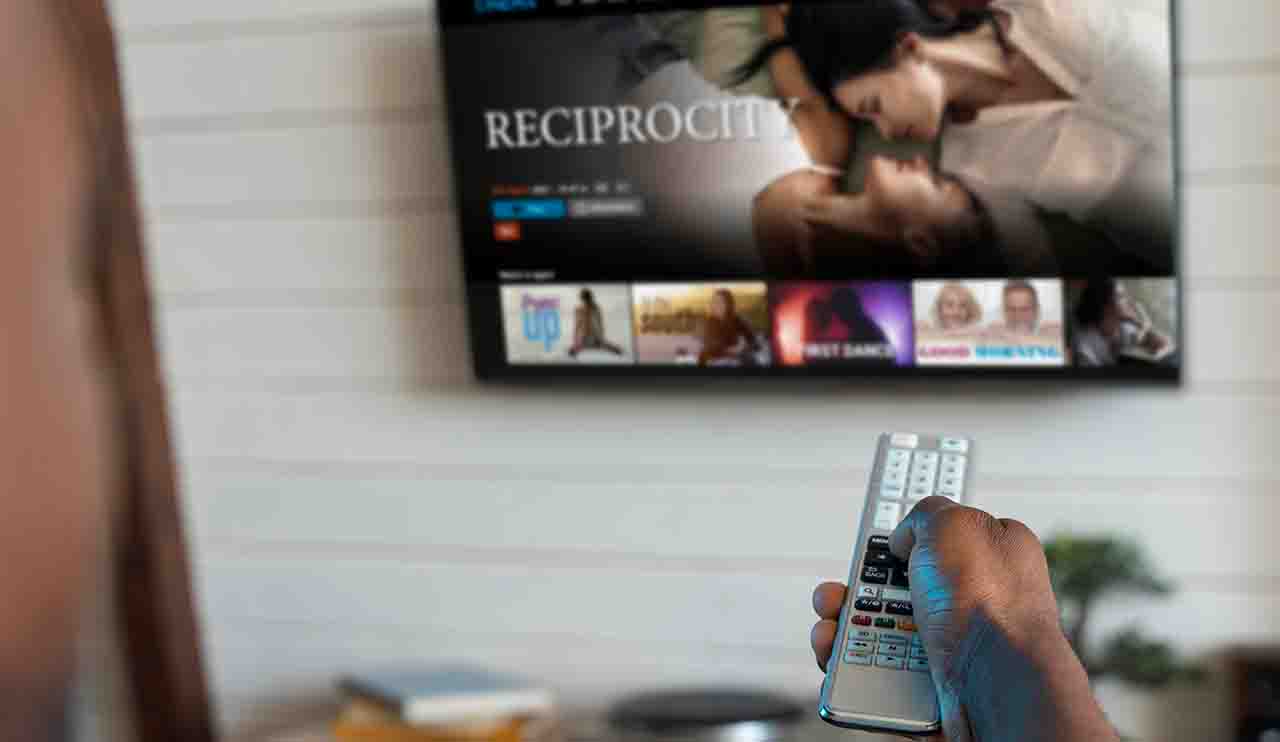
The streaming industry in 2026 is more competitive than ever. What began as a shift away from traditional television has turned into a full-scale battle for attention, subscriptions, and cultural dominance. With multiple platforms investing heavily in content, technology, and user experience, the OTT space is no longer about who has the most content—it’s about who has the most impact.
Global giants like Netflix continue to lead in terms of scale and global reach. Its strength lies in consistent content output, strong originals, and a deep understanding of viewer preferences powered by data. Netflix has mastered the ability to create shows that travel across borders, making it a dominant force worldwide.
At the same time, Amazon Prime Video has positioned itself differently. Instead of competing only on content, it integrates streaming into a larger ecosystem that includes e-commerce and other services. This bundled approach makes it highly attractive, especially in price-sensitive markets like India.
India’s own streaming landscape has become equally intense. Platforms like Disney+ Hotstar continue to dominate when it comes to sports, especially cricket, which remains one of the biggest drivers of viewership in the country. Live sports give it a unique advantage that pure entertainment platforms cannot easily replicate.
Meanwhile, JioCinema has emerged as a strong disruptor. By offering major sports events and premium content at competitive pricing—even free in some cases—it has rapidly captured attention and market share. Its aggressive strategy reflects how pricing and accessibility are becoming key weapons in the OTT war.
Another major shift in 2026 is the rise of regional content. Platforms are investing heavily in local language shows and films, recognizing that India’s diversity is its biggest opportunity. Viewers are increasingly choosing content that feels closer to their culture and language, making regional storytelling a major battleground.
Content strategy itself has evolved. Instead of just quantity, platforms are focusing on event-based content—shows and films that create buzz and drive conversations. The goal is no longer just to fill libraries, but to create moments that people don’t want to miss.
At the same time, user behavior is changing. Subscription fatigue is real. With so many platforms available, users are becoming selective about where they spend. This has pushed companies to rethink pricing models, introduce ad-supported tiers, and improve overall value.
Technology is also playing a crucial role. Better recommendations, smoother streaming, and personalized experiences are now expected. Platforms that fail to deliver a seamless experience risk losing users quickly, no matter how strong their content is.
So, who is winning the OTT war in 2026? The answer is not as straightforward as it once was. There is no single winner—only different leaders in different areas. Netflix leads in global storytelling, Prime Video in ecosystem value, Disney+ Hotstar in sports, and JioCinema in disruption and accessibility.
What’s clear is that the real winner is the audience. With more choices, better content, and competitive pricing, viewers are in control like never before. The power has shifted, and platforms must constantly evolve to keep up.
In 2026, the OTT battle is not just about streaming—it’s about relevance. And in a world driven by attention, the platforms that stay relevant are the ones that will truly win.



advertising
McDonald’s Coca-Cola World Cup Meals
The campaign is designed to capture the growing excitement surrounding the FIFA World Cup while strengthening the long-standing association both brands share with global football.
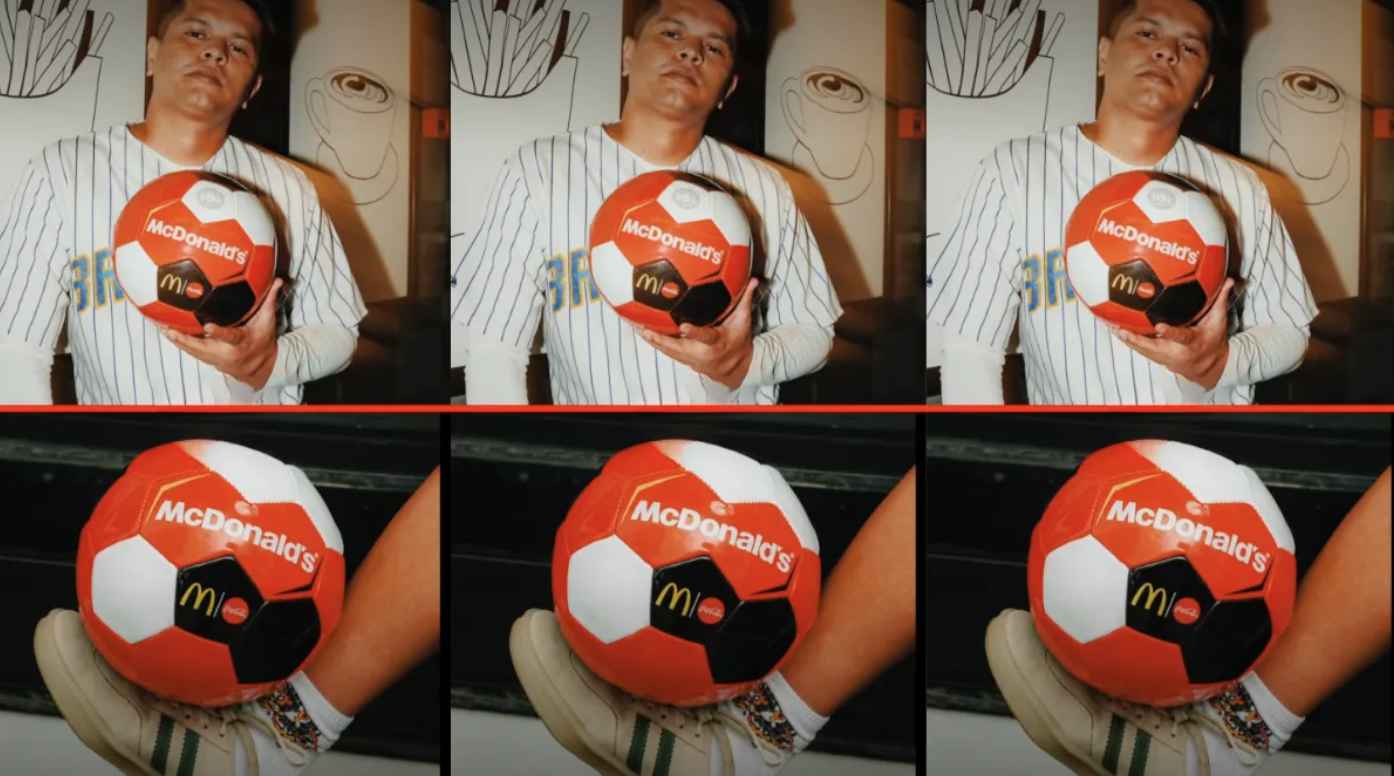
McDonald’s and Coca-Cola have joined forces to launch limited-edition FIFA World Cup Meals in India, giving football fans a new way to celebrate the world’s biggest sporting event. The collaboration combines iconic menu favourites with exclusive football-themed collectibles, turning every meal into an interactive fan experience.
The campaign is designed to capture the growing excitement surrounding the FIFA World Cup while strengthening the long-standing association both brands share with global football. More than just a promotional offering, the limited-edition meals celebrate the passion, energy, and community spirit that define the sport.
Each World Cup Meal includes McDonald’s signature food items paired with Coca-Cola beverages, along with exclusive football-inspired merchandise created especially for the campaign. These collectibles encourage fans to participate beyond match day, transforming a regular dining experience into a memorable celebration of football culture.
The initiative also reflects the increasing popularity of experience-led marketing in the quick-service restaurant industry. Rather than focusing solely on food, McDonald’s and Coca-Cola are creating added value through limited-time collectibles, themed packaging, and immersive consumer engagement. This strategy helps build stronger emotional connections with football enthusiasts and younger consumers.
The campaign extends across restaurants, digital platforms, and social media, supported by football-themed promotions and fan activations that amplify engagement throughout the tournament season. By combining food, entertainment, and sports, the brands are creating multiple touchpoints that resonate with football lovers across India.
With the FIFA World Cup Meals, McDonald’s and Coca-Cola successfully blend global sporting excitement with everyday dining. The collaboration reinforces both brands’ commitment to creating memorable consumer experiences while celebrating the passion that football inspires across generations.
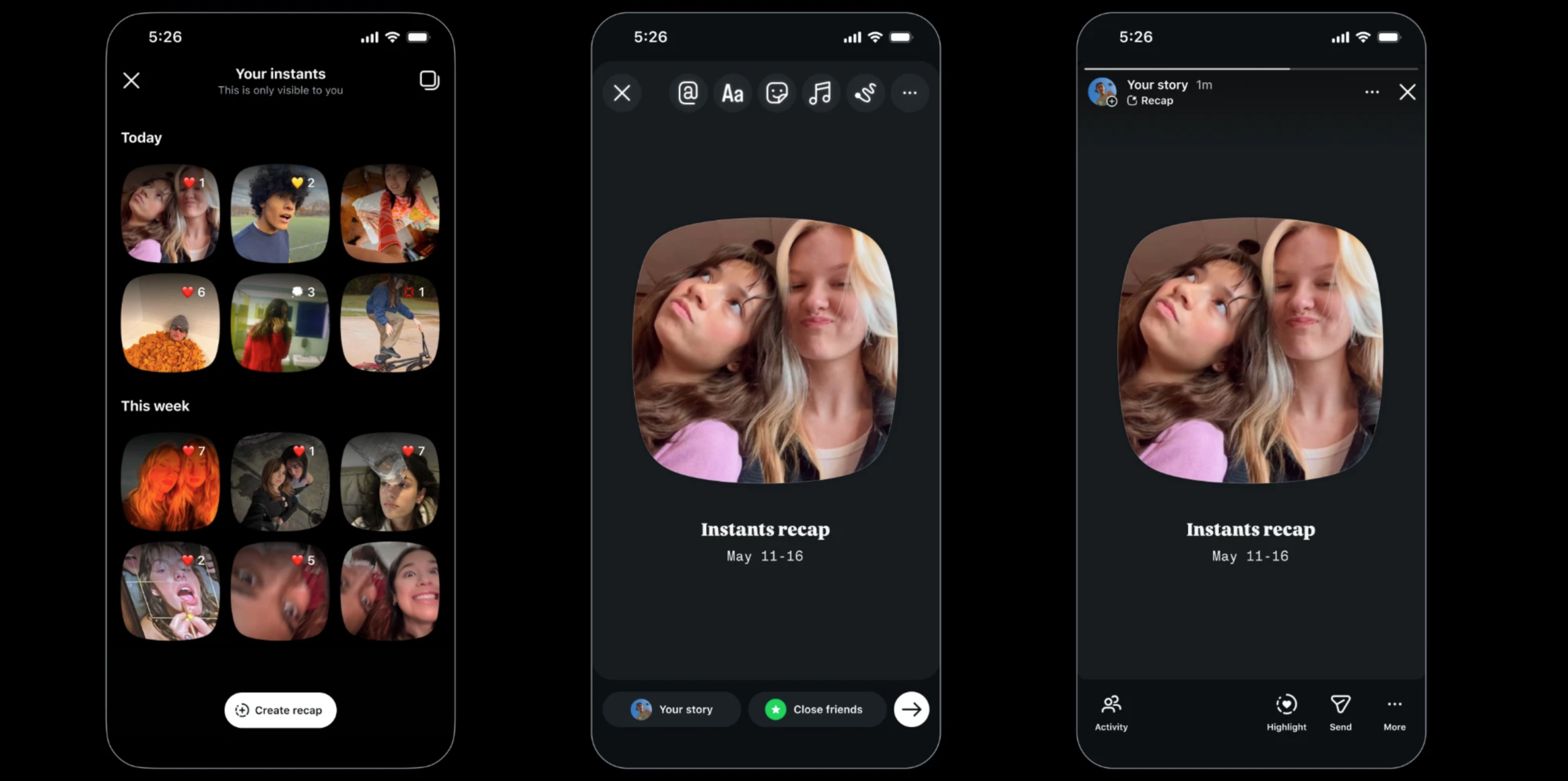
Instagram has introduced a new feature called ‘Instants’, aimed at encouraging spontaneous and real-time sharing among users. While the update is designed to make interactions feel more casual and authentic, it has also sparked anxiety and criticism across social media communities.
The feature allows users to send disappearing photos instantly through direct messages without extensive editing or review options. Unlike traditional posts or Stories, Instants focuses on immediacy, encouraging users to share moments quickly and naturally. However, many users feel the feature removes the sense of control they are accustomed to on the platform.
One of the biggest concerns surrounding Instants is accidental sharing. Since the audience settings can default to existing friend groups, users worry about sending personal or unintended photos to the wrong people. This has led to growing conversations around digital privacy, user comfort, and app design choices.
The rollout has also reignited discussions about social media pressure and online fatigue. Platforms like Instagram have long been associated with carefully curated content, making the shift toward instant and unfiltered sharing uncomfortable for some users. Many feel the feature creates unnecessary urgency and stress rather than encouraging authentic communication.
Despite offering features like disappearing content and quick interactions, the mixed response highlights the challenge platforms face while balancing innovation with user experience. Consumers today increasingly value privacy, clarity, and control over how they communicate online.
With Instants, Instagram is clearly moving towards more spontaneous social interactions. However, the early reaction suggests that users still prefer flexibility and reassurance before sharing moments in real time.
Editor's Pick
India’s Vertical Cinema Boom: The Rise of Bite-Sized Storytelling
What began as quick, snackable videos has matured into compelling vertical dramas that blend entertainment with accessibility.
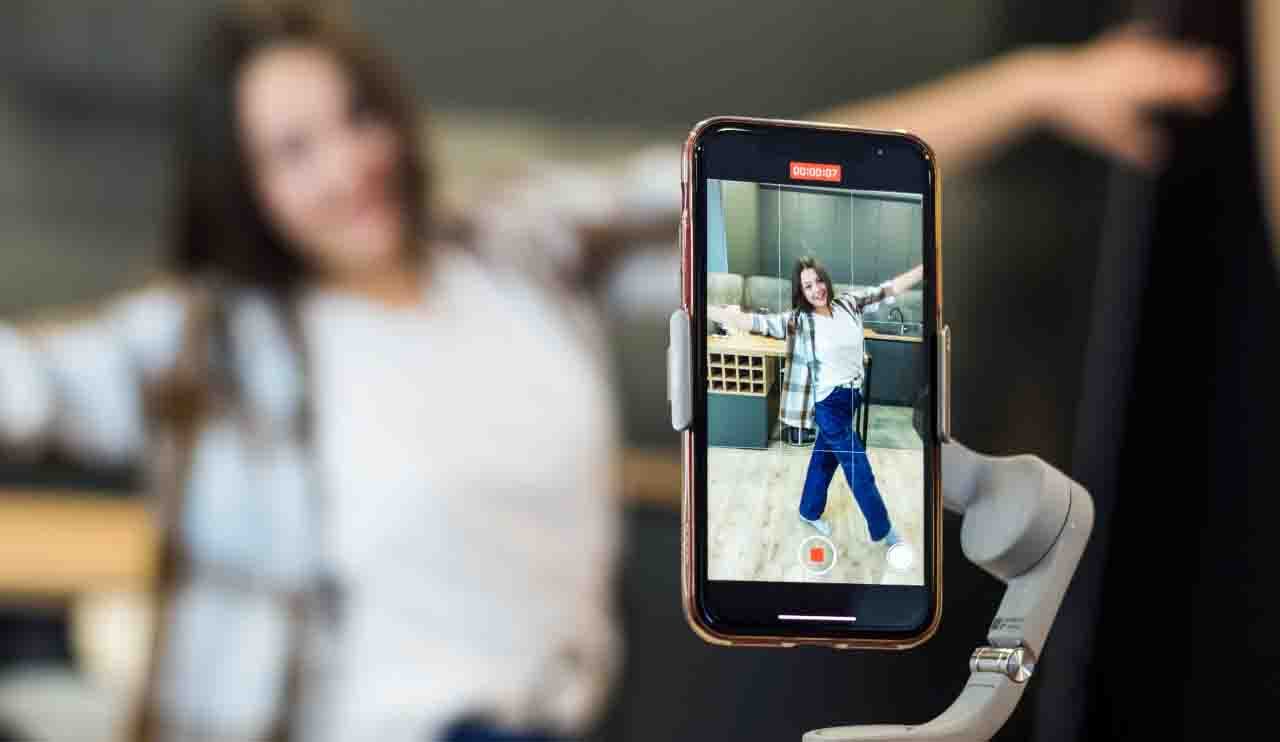
India’s entertainment landscape is witnessing a rapid shift with the emergence of vertical cinema and vertical dramas—content designed specifically for mobile viewing in a portrait format. Driven by smartphone consumption and short attention spans, this new storytelling format is redefining how audiences engage with visual narratives.
Vertical content, once limited to social media platforms, is now evolving into structured storytelling with episodic formats, strong character arcs, and cinematic production quality. What began as quick, snackable videos has matured into compelling vertical dramas that blend entertainment with accessibility.
Platforms like Instagram, YouTube Shorts, and Moj have played a crucial role in popularising vertical viewing habits. As audiences increasingly consume content on the go, creators and brands are adapting narratives to fit the 9:16 frame, ensuring a seamless mobile-first experience.
One of the biggest advantages of vertical cinema is its intimacy. Close framing, direct-to-camera storytelling, and fast-paced editing create a more personal connection with viewers. This format also allows for cost-effective production, making it accessible to emerging creators and independent storytellers.
Brands and OTT players are beginning to explore vertical dramas as a new avenue for engagement. From romantic mini-series to thriller episodes, the format is proving effective in capturing attention within shorter time spans while maintaining emotional depth.
As digital consumption continues to grow in India, vertical cinema is poised to become a mainstream storytelling format. It represents a shift not just in screen orientation, but in audience behaviour—where convenience, speed, and relatability define the future of entertainment.
-

 Fashion11 years ago
India’s Fashion Spending Is Slowing—But Getting More Intentional
-

 Business9 years ago
Performance Marketing vs Brand Building: What Works in 2026?
-

 Fashion6 months ago
Hyderabad’s Pop-Up Scene Is Buzzing This Month
-

 Entertainment9 years ago
The old and New Edition cast comes together to perform
-
Sports9 years ago
Phillies’ Aaron Altherr makes mind-boggling barehanded play
-

 Business9 years ago
Why Storytelling Is Still the Strongest Marketing Tool
-
Sports9 years ago
Steph Curry finally got the contract he deserves from the Warriors
-
Entertainment9 years ago
Mod turns ‘Counter-Strike’ into a ‘Tekken’ clone with fighting chickens