
Tech
India’s largest airline, jumped over 11% on Wednesday
The ceasefire announcement has improved sentiment across airline stocks, as it could ease disruptions along key international flight paths.


Shares of IndiGo, India’s largest airline, jumped over 11% on Wednesday before trimming gains, following news of a ceasefire between the United States and Iran. The development is expected to bring temporary relief to India’s aviation sector, which has been under pressure due to ongoing tensions in West Asia.
The ceasefire announcement has improved sentiment across airline stocks, as it could ease disruptions along key international flight paths. Iran and the Arabian Peninsula serve as crucial corridors for westbound flights from India, and recent conflict in the region had forced airlines like IndiGo and Air India to reroute flights, increasing both travel time and operational costs.
In a positive signal, Iran indicated that safe passage for ships could be ensured for the next two weeks, offering some stability to the region’s logistics and aviation networks.
However, the recent geopolitical tensions have already taken a toll. Air India, owned by the Tata Group, responded to surging fuel costs by introducing fuel surcharges on both domestic and international routes. The airline cited a sharp month-on-month spike in jet fuel prices—reportedly doubling—as the primary reason for the move. Meanwhile, Singapore Airlines, which holds a significant stake in Air India, saw its shares rise modestly following the ceasefire news.
The broader aviation industry in India has been grappling with operational challenges. According to government officials, the conflict has led to over 10,000 flight cancellations in just over a month. Daily flights between India and the Middle East have dropped drastically—from around 350 flights to fewer than 100.
Despite these challenges, IndiGo continues to dominate the domestic aviation market with nearly 65% market share, while Air India trails at around 27%.
Earlier, concerns over the escalating conflict had prompted rating agency ICRA to place IndiGo’s long-term credit rating under review with negative implications, citing expected pressure on its financial performance.
With the ceasefire now in place, the aviation sector may see short-term relief, though uncertainties remain depending on how the geopolitical situation evolves.

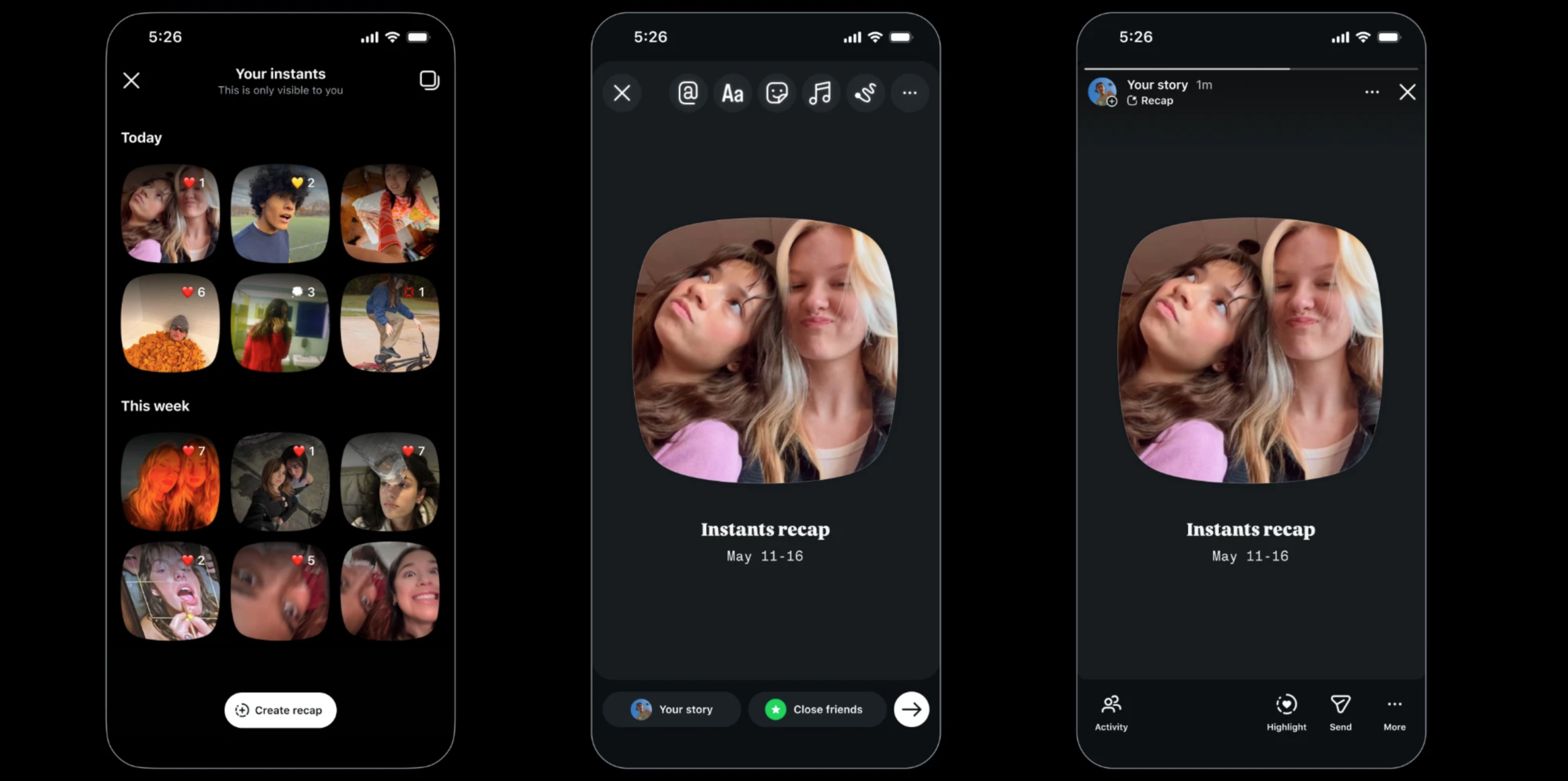
Instagram has introduced a new feature called ‘Instants’, aimed at encouraging spontaneous and real-time sharing among users. While the update is designed to make interactions feel more casual and authentic, it has also sparked anxiety and criticism across social media communities.
The feature allows users to send disappearing photos instantly through direct messages without extensive editing or review options. Unlike traditional posts or Stories, Instants focuses on immediacy, encouraging users to share moments quickly and naturally. However, many users feel the feature removes the sense of control they are accustomed to on the platform.
One of the biggest concerns surrounding Instants is accidental sharing. Since the audience settings can default to existing friend groups, users worry about sending personal or unintended photos to the wrong people. This has led to growing conversations around digital privacy, user comfort, and app design choices.
The rollout has also reignited discussions about social media pressure and online fatigue. Platforms like Instagram have long been associated with carefully curated content, making the shift toward instant and unfiltered sharing uncomfortable for some users. Many feel the feature creates unnecessary urgency and stress rather than encouraging authentic communication.
Despite offering features like disappearing content and quick interactions, the mixed response highlights the challenge platforms face while balancing innovation with user experience. Consumers today increasingly value privacy, clarity, and control over how they communicate online.
With Instants, Instagram is clearly moving towards more spontaneous social interactions. However, the early reaction suggests that users still prefer flexibility and reassurance before sharing moments in real time.
advertising
D.A.V. Public School Leads the Way in Creating Safer Classrooms with Bullying Decoder Initiative
Guided by Dr. Anita Gautam’s vision of holistic education, the Bullying Decoder represents a shift from reactive discipline to proactive care.
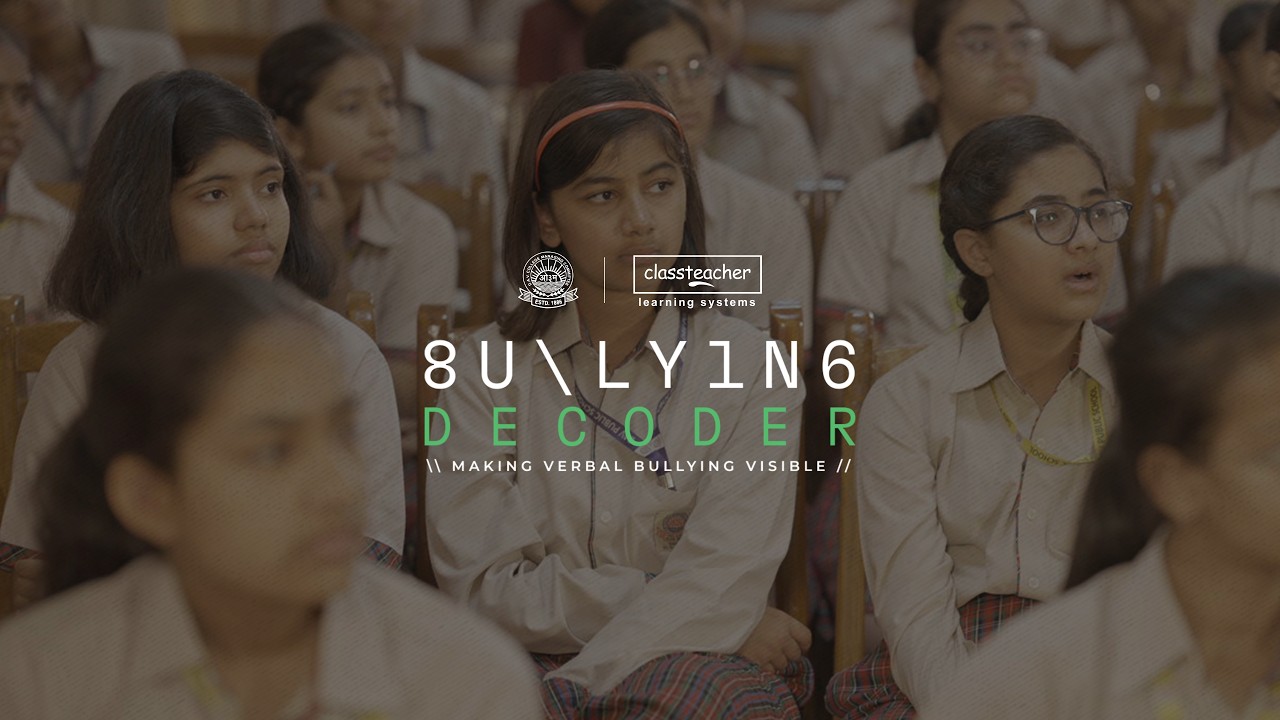
Faridabad, Haryana: Reinforcing its commitment to creating a safe, empathetic, and future-ready learning environment, DAV PUBLIC SCHOOL, SEC 14, FARIDABAD, under the leadership of Dr. Anita Gautam, has introduced an innovative initiative, Bullying Decoder, aimed at understanding and addressing verbal bullying within classrooms.
The initiative has been developed in collaboration with Dentsu Lab India and Classteacher Learning Systems, bringing together educational insight and technological innovation to address a deeply rooted but often overlooked challenge in schools.
Located at D.A.V. Public School, Sector 14, Faridabad, Haryana, the institution has taken a pioneering step by thoughtfully integrating this solution into its student well-being framework—setting a strong example for schools across the country.

While traditional systems in schools have largely focused on monitoring physical safety, the school identified a critical gap—verbal bullying, which often goes unnoticed but leaves a lasting emotional impact. Guided by Dr. Anita Gautam’s vision of holistic education, the Bullying Decoder represents a shift from reactive discipline to proactive care.

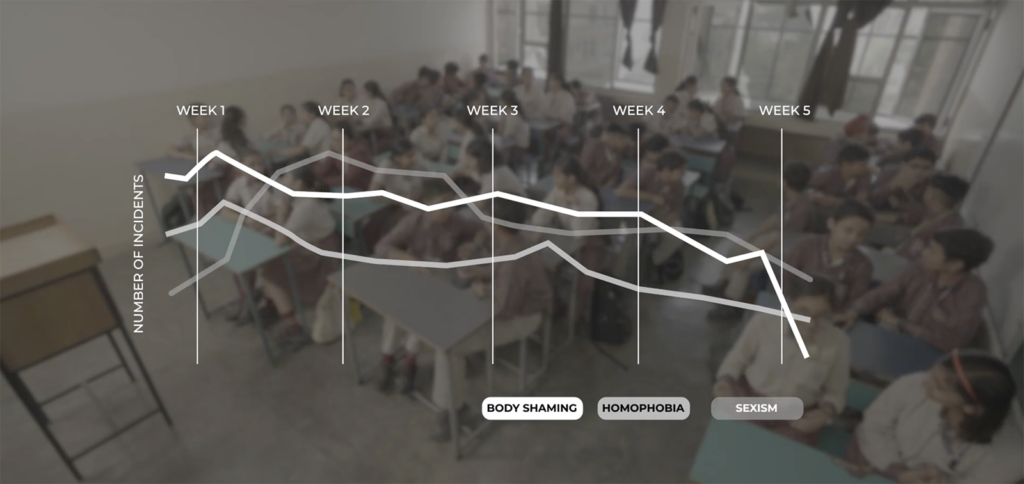
The system works by analysing patterns in classroom conversations to identify trends related to behaviours such as body shaming, exclusion, and harmful remarks. Importantly, all insights are aggregated and anonymised, ensuring complete student privacy while enabling educators to take meaningful, informed action.
What distinguishes D.A.V. Public School is its deeply student-centric approach. The insights generated are actively used by counsellors to design contextual, age-appropriate interventions, making conversations around empathy, respect, and inclusion more relevant and impactful for students.
Early results from the 2025–2026 academic session reflect a significant positive shift, with a decline in bullying instances by 54.6%, alongside improved classroom sensitivity and peer relationships. The initiative has also contributed to a stronger sense of trust and openness within the school community.
Principal’s Message
Speaking about the initiative, Dr. Anita Gautam, Principal, DAV PUBLIC SCHOOL, SEC 14,FARIDABADl, said:
“At D.A.V. Public School, we believe that education goes beyond academics—it is about shaping emotionally aware and responsible individuals. Bullying Decoder has helped us understand our students better, not by identifying individuals, but by recognising patterns that need attention. This has empowered us to respond with empathy and precision.”

“Our focus has always been to create an environment where every child feels safe, heard, and valued. Seeing a measurable decline in bullying and a positive change in classroom culture is deeply encouraging for us as educators.”
By embracing innovation with responsibility, D.A.V. Public School continues to lead by example—demonstrating how schools can evolve into spaces that prioritise both academic excellence and emotional well-being, while collaborating with forward-thinking partners to bring meaningful change.
X is continuing to refine its user experience with a set of new updates aimed at making conversations more seamless and content creation more intuitive.
One of the most notable additions is an auto-translate feature for posts. This allows users to instantly view content in their preferred language, reducing friction in cross-border conversations and making global content more accessible than ever before.
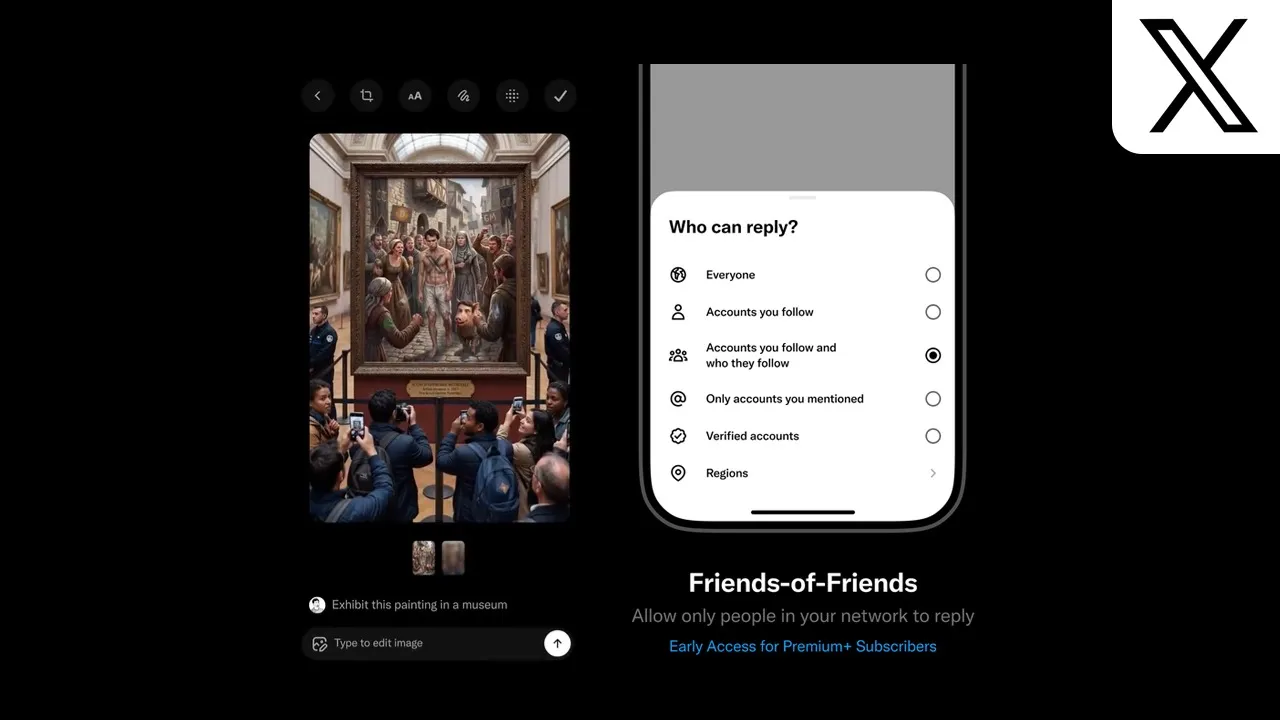
Alongside this, the platform has introduced enhanced reply controls. Users can now better manage who gets to respond to their posts, offering more control over discussions and helping maintain healthier interactions. This move appears to be part of a broader effort to improve conversation quality and reduce unwanted engagement.
Another practical update comes in the form of built-in photo editing tools. Users can now tweak images directly within the platform before posting, eliminating the need for third-party apps. This includes basic adjustments that make visual content more polished and ready for sharing in just a few taps.
Together, these updates signal X’s focus on making the platform more user-friendly, while also strengthening its position as a space for real-time, global conversations.
-

 Fashion11 years ago
India’s Fashion Spending Is Slowing—But Getting More Intentional
-

 Business9 years ago
Performance Marketing vs Brand Building: What Works in 2026?
-

 Fashion6 months ago
Hyderabad’s Pop-Up Scene Is Buzzing This Month
-

 Entertainment9 years ago
The old and New Edition cast comes together to perform
-
Sports9 years ago
Phillies’ Aaron Altherr makes mind-boggling barehanded play
-

 Business9 years ago
Why Storytelling Is Still the Strongest Marketing Tool
-
Sports9 years ago
Steph Curry finally got the contract he deserves from the Warriors
-
Entertainment9 years ago
Mod turns ‘Counter-Strike’ into a ‘Tekken’ clone with fighting chickens