
advertising
‘Ghar Ka Kaam, Sab Ka Kaam’: Philips India
Philips uses purpose-driven storytelling to challenge traditional gender roles and encourage equal household responsibilities.

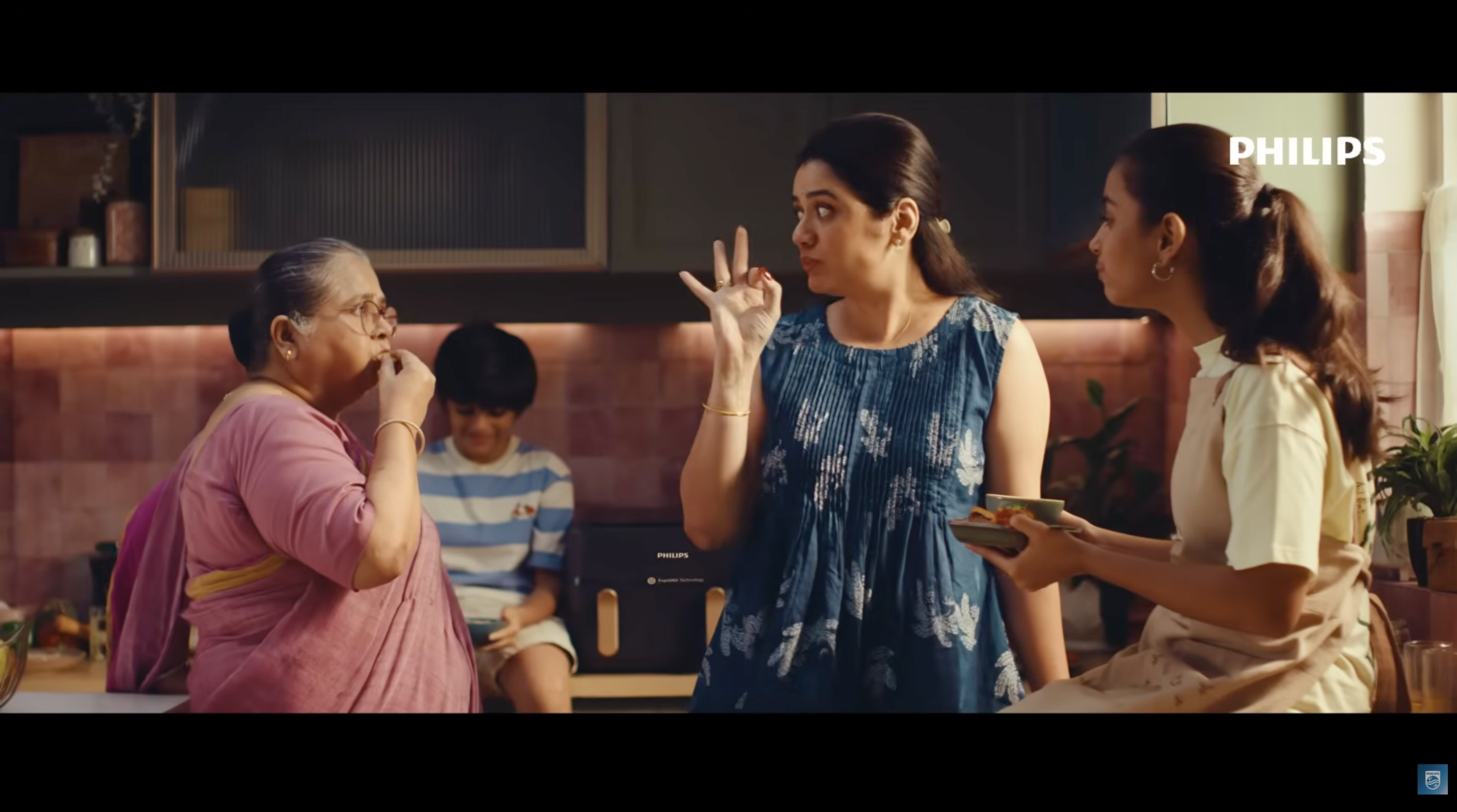
Philips has launched its Mother’s Day campaign, ‘Ghar Ka Kaam, Sab Ka Kaam’, highlighting the importance of shared household responsibilities and questioning traditional gender roles within Indian homes. Instead of focusing only on emotional tributes to mothers, the campaign brings attention to the everyday imbalance in domestic work that many women continue to experience.
Through simple and relatable storytelling, the campaign showcases familiar household moments where mothers are expected to manage cooking, cleaning, caregiving, and daily routines without equal support. Philips uses these real-life situations to encourage families to rethink outdated social norms and promote a more balanced approach to household responsibilities.
The campaign stands out for its authentic and grounded narrative. Rather than relying on dramatic storytelling, it focuses on subtle moments that resonate strongly with modern audiences. This realistic approach makes the message more impactful and emotionally engaging.
‘Ghar Ka Kaam, Sab Ka Kaam’ also reflects the changing mindset of today’s households, where conversations around equality, participation, and partnership are becoming increasingly important. Philips positions the modern home as a space where responsibilities should be shared equally, regardless of gender.
By addressing a socially relevant issue, Philips moves beyond product-focused communication and strengthens its connection with consumers through purpose-driven storytelling. The campaign not only celebrates mothers but also encourages families to contribute equally at home and build a more supportive environment.
Overall, the initiative delivers a meaningful message while reinforcing the importance of equality and shared care in modern family life.

advertising
McDonald’s Coca-Cola World Cup Meals
The campaign is designed to capture the growing excitement surrounding the FIFA World Cup while strengthening the long-standing association both brands share with global football.
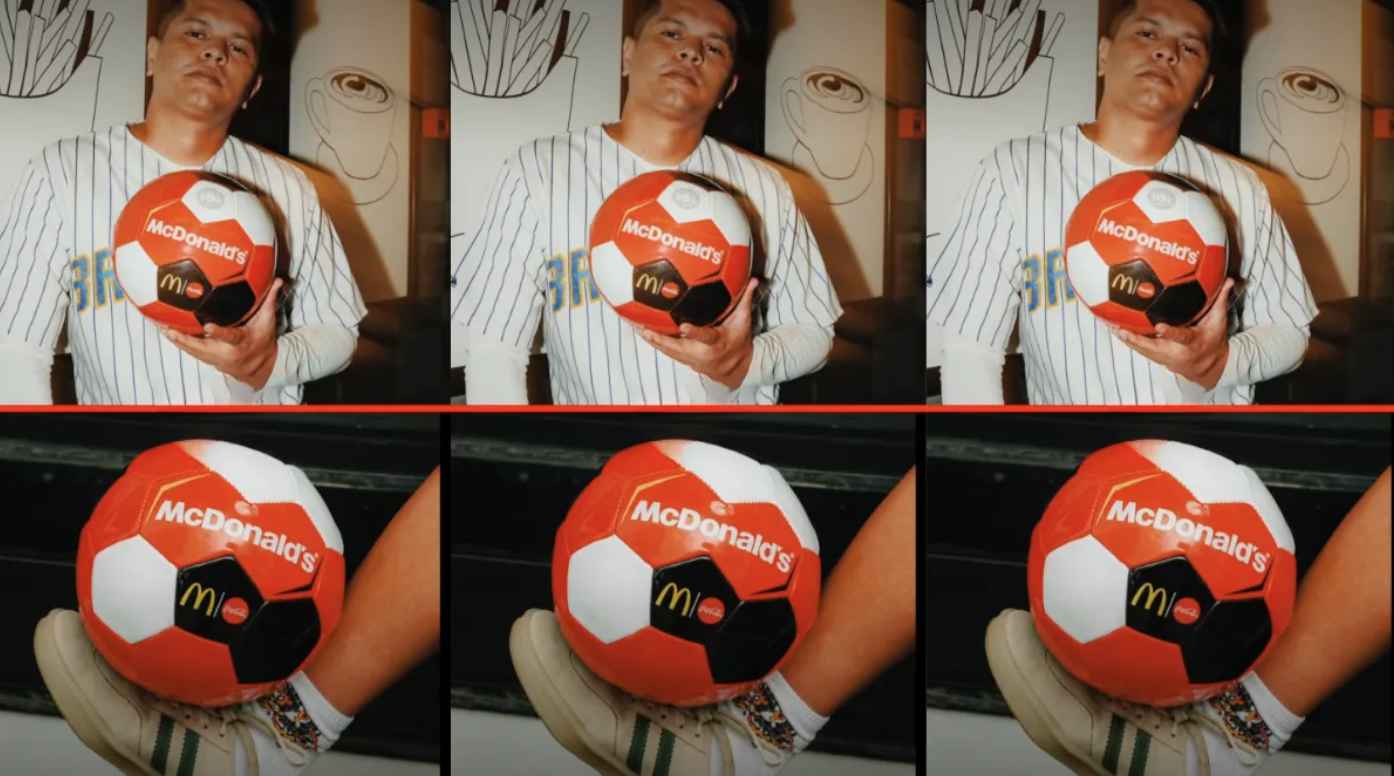
McDonald’s and Coca-Cola have joined forces to launch limited-edition FIFA World Cup Meals in India, giving football fans a new way to celebrate the world’s biggest sporting event. The collaboration combines iconic menu favourites with exclusive football-themed collectibles, turning every meal into an interactive fan experience.
The campaign is designed to capture the growing excitement surrounding the FIFA World Cup while strengthening the long-standing association both brands share with global football. More than just a promotional offering, the limited-edition meals celebrate the passion, energy, and community spirit that define the sport.
Each World Cup Meal includes McDonald’s signature food items paired with Coca-Cola beverages, along with exclusive football-inspired merchandise created especially for the campaign. These collectibles encourage fans to participate beyond match day, transforming a regular dining experience into a memorable celebration of football culture.
The initiative also reflects the increasing popularity of experience-led marketing in the quick-service restaurant industry. Rather than focusing solely on food, McDonald’s and Coca-Cola are creating added value through limited-time collectibles, themed packaging, and immersive consumer engagement. This strategy helps build stronger emotional connections with football enthusiasts and younger consumers.
The campaign extends across restaurants, digital platforms, and social media, supported by football-themed promotions and fan activations that amplify engagement throughout the tournament season. By combining food, entertainment, and sports, the brands are creating multiple touchpoints that resonate with football lovers across India.
With the FIFA World Cup Meals, McDonald’s and Coca-Cola successfully blend global sporting excitement with everyday dining. The collaboration reinforces both brands’ commitment to creating memorable consumer experiences while celebrating the passion that football inspires across generations.
advertising
Jindal Stainless Revives ‘Mile Sur Mera Tumhara’ to Celebrate Workplace Diversity
Jindal Stainless launches an employee-led ‘Mile Sur Mera Tumhara’ campaign celebrating workplace diversity, inclusion, cultural unity, and employee participation.
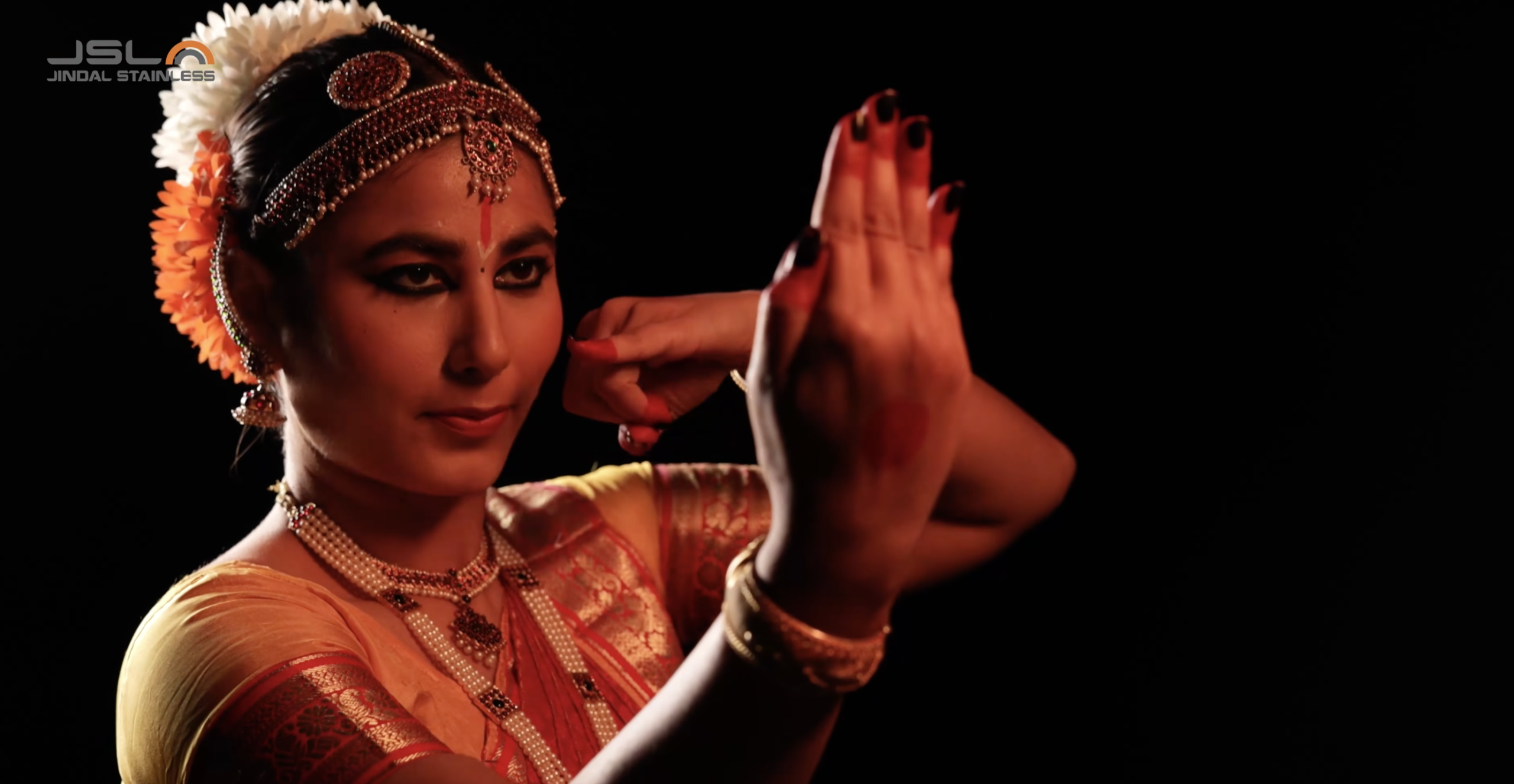
Jindal Stainless has launched a unique employee-driven campaign inspired by the iconic Mile Sur Mera Tumhara anthem, celebrating diversity, inclusion, and cultural unity within its workforce. The initiative brings together employees from different regions, languages, backgrounds, and professional roles to showcase the strength that diversity brings to the workplace.
Drawing inspiration from one of India’s most memorable symbols of national integration, the campaign reimagines the anthem through the voices and experiences of Jindal Stainless employees. Rather than relying on traditional corporate communication, the company places its people at the centre of the narrative, creating a more authentic and emotionally engaging message.
The campaign highlights how individuals from varied cultural and social backgrounds contribute to a shared workplace culture while retaining their unique identities. Through music, storytelling, and employee participation, the initiative demonstrates how diversity can foster collaboration, innovation, and a stronger sense of belonging across teams.
A key strength of the campaign lies in its employee-first approach. By featuring real employees instead of actors or brand ambassadors, Jindal Stainless reinforces its commitment to inclusivity and representation. The film reflects the belief that every individual perspective adds value to the organisation’s collective success.
The initiative also aligns with a growing trend among Indian organisations that are using internal storytelling to strengthen employer branding and workplace culture. As diversity and inclusion become increasingly important business priorities, employee-led campaigns offer a powerful way to communicate organisational values.
With ‘Mile Sur Mera Tumhara’, Jindal Stainless celebrates the idea that differences do not divide people—they enrich workplaces. The campaign serves as a powerful reminder that unity, respect, and shared purpose are the foundations of a thriving and inclusive work environment.
advertising
‘Ek Shaam Papa Ke Naam’: IndiaFirst Life Celebrates the Man Beyond the Father Figure
Through relatable storytelling, IndiaFirst Life highlights how fathers are often recognised for their sacrifices and contributions but rarely appreciated as individuals with their own journeys and emotions.
IndiaFirst Life Insurance has launched its emotionally driven campaign, ‘Ek Shaam Papa Ke Naam’, encouraging families to spend meaningful time with their fathers and understand the person behind the responsibilities. Moving beyond the traditional Father’s Day narrative, the campaign focuses on building deeper emotional connections through conversation, reflection, and shared experiences.
At the heart of the initiative lies a simple yet powerful insight: while fathers often dedicate their lives to supporting and caring for their families, their personal stories, dreams, struggles, and aspirations frequently remain unheard. The campaign encourages people to set aside time for meaningful conversations and discover aspects of their fathers’ lives that may have never been discussed before.
Through relatable storytelling, IndiaFirst Life highlights how fathers are often recognised for their sacrifices and contributions but rarely appreciated as individuals with their own journeys and emotions. By shifting the focus from gratitude alone to genuine understanding, the campaign creates a more intimate and human perspective on parent-child relationships.
The initiative also reflects the brand’s larger commitment to helping families build stronger emotional and financial foundations. Instead of relying on conventional insurance messaging, the campaign addresses a universal family dynamic that resonates across generations.
In today’s fast-paced world, where schedules, responsibilities, and digital distractions often limit meaningful interactions, ‘Ek Shaam Papa Ke Naam’ serves as a reminder to pause and reconnect. The campaign reinforces the importance of listening, sharing, and creating memories that go beyond everyday routines.
With this initiative, IndiaFirst Life delivers a heartfelt message about family bonds, emotional wellbeing, and the value of truly knowing the people who have shaped our lives.
-

 Fashion11 years ago
India’s Fashion Spending Is Slowing—But Getting More Intentional
-

 Business9 years ago
Performance Marketing vs Brand Building: What Works in 2026?
-

 Fashion6 months ago
Hyderabad’s Pop-Up Scene Is Buzzing This Month
-

 Entertainment9 years ago
The old and New Edition cast comes together to perform
-
Sports9 years ago
Phillies’ Aaron Altherr makes mind-boggling barehanded play
-

 Business9 years ago
Why Storytelling Is Still the Strongest Marketing Tool
-
Sports9 years ago
Steph Curry finally got the contract he deserves from the Warriors
-
Entertainment9 years ago
Mod turns ‘Counter-Strike’ into a ‘Tekken’ clone with fighting chickens