
Business
The Rise of D2C Brands and What It Means for Retail
In 2026, D2C is not just a trend—it is reshaping how products are built, marketed, and sold.

Retail in India is undergoing a fundamental shift. For decades, brands relied on distributors, wholesalers, and marketplaces to reach customers. Today, that model is being challenged by the rapid rise of direct-to-consumer (D2C) brands. In 2026, D2C is not just a trend—it is reshaping how products are built, marketed, and sold.
At its core, the D2C model removes intermediaries. Brands sell directly to customers through their own websites, apps, or social channels. This gives them complete control over pricing, branding, and customer experience. More importantly, it allows them to build a direct relationship with their audience—something traditional retail often lacks.
One of the biggest reasons behind the rise of D2C brands is the shift in consumer behavior. Today’s customers are more informed, more digital, and more selective. They don’t just buy products—they buy stories, values, and experiences. D2C brands are built around this idea. They focus on strong branding, clear positioning, and niche targeting rather than trying to appeal to everyone.
Technology has made this shift possible. Platforms like Shopify have simplified the process of setting up online stores, while social platforms like Instagram have become powerful discovery engines. A brand today can launch, market, and sell—all without needing a physical retail presence.
Another major advantage of D2C is data. Traditional retail often keeps customer data with intermediaries, but D2C brands own it. They can track behavior, understand preferences, and personalize experiences. This allows for better targeting, improved products, and stronger customer retention.
Marketing has also evolved alongside this model. Instead of relying heavily on traditional advertising, D2C brands leverage content, influencers, and community building. They communicate in a more direct and relatable way, often using storytelling and social media to create a strong brand identity. This makes them feel more human and accessible compared to large, faceless corporations.
However, the rise of D2C does not mean the end of traditional retail. Instead, it is forcing retail to adapt. Physical stores are evolving into experience centers rather than just points of sale. Many D2C brands are also moving offline through pop-up stores and exclusive outlets, creating an omnichannel presence that combines the best of both worlds.
There are also challenges within the D2C space. Customer acquisition costs are rising, competition is intense, and building trust without a physical presence can be difficult. Logistics, returns, and maintaining consistent quality are additional hurdles that brands must navigate. The ease of starting a D2C brand also means the market is becoming crowded, making differentiation critical.
What’s clear is that D2C has shifted the power dynamic. Brands are no longer dependent on retail chains to reach customers, and customers are no longer limited by what’s available on store shelves. This direct connection is redefining loyalty, making it more about experience and engagement than just product availability.
In 2026, the future of retail is not about choosing between online and offline—it’s about integration. The most successful brands are those that combine the efficiency of D2C with the reach and experience of traditional retail.
The rise of D2C brands signals a larger change in the industry. It shows that control, connection, and customer understanding are becoming more valuable than distribution alone. And in this new retail landscape, the brands that build relationships—not just sales—will lead the way.






advertising
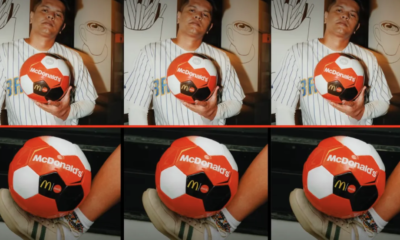
McDonald’s Coca-Cola World Cup Meals
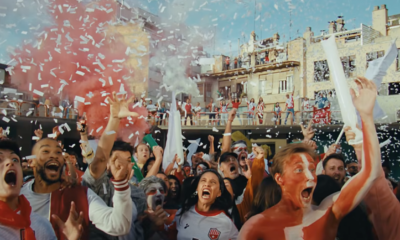
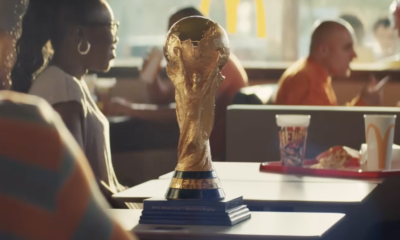
The campaign is designed to capture the growing excitement surrounding the FIFA World Cup while strengthening the long-standing association both brands share with global football.
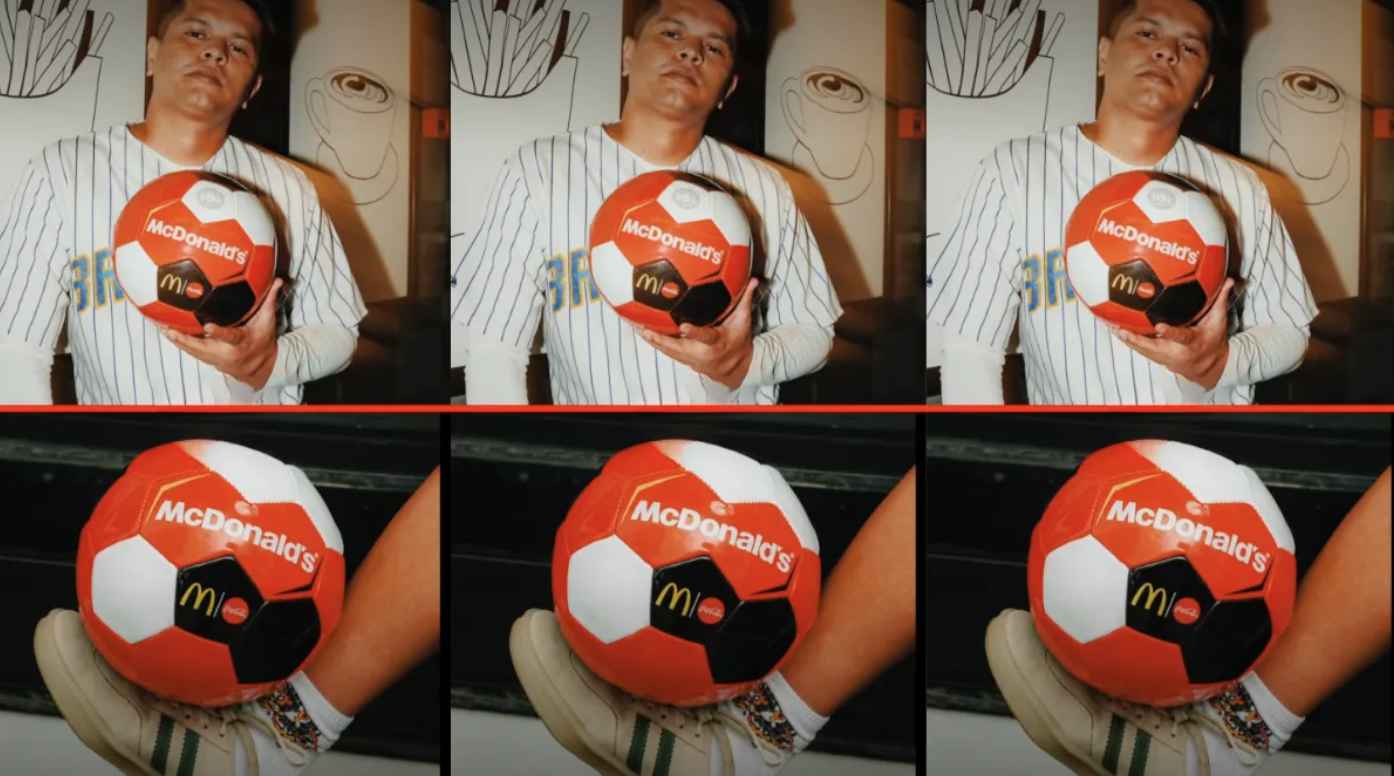
McDonald’s and Coca-Cola have joined forces to launch limited-edition FIFA World Cup Meals in India, giving football fans a new way to celebrate the world’s biggest sporting event. The collaboration combines iconic menu favourites with exclusive football-themed collectibles, turning every meal into an interactive fan experience.
The campaign is designed to capture the growing excitement surrounding the FIFA World Cup while strengthening the long-standing association both brands share with global football. More than just a promotional offering, the limited-edition meals celebrate the passion, energy, and community spirit that define the sport.
Each World Cup Meal includes McDonald’s signature food items paired with Coca-Cola beverages, along with exclusive football-inspired merchandise created especially for the campaign. These collectibles encourage fans to participate beyond match day, transforming a regular dining experience into a memorable celebration of football culture.
The initiative also reflects the increasing popularity of experience-led marketing in the quick-service restaurant industry. Rather than focusing solely on food, McDonald’s and Coca-Cola are creating added value through limited-time collectibles, themed packaging, and immersive consumer engagement. This strategy helps build stronger emotional connections with football enthusiasts and younger consumers.
The campaign extends across restaurants, digital platforms, and social media, supported by football-themed promotions and fan activations that amplify engagement throughout the tournament season. By combining food, entertainment, and sports, the brands are creating multiple touchpoints that resonate with football lovers across India.
With the FIFA World Cup Meals, McDonald’s and Coca-Cola successfully blend global sporting excitement with everyday dining. The collaboration reinforces both brands’ commitment to creating memorable consumer experiences while celebrating the passion that football inspires across generations.
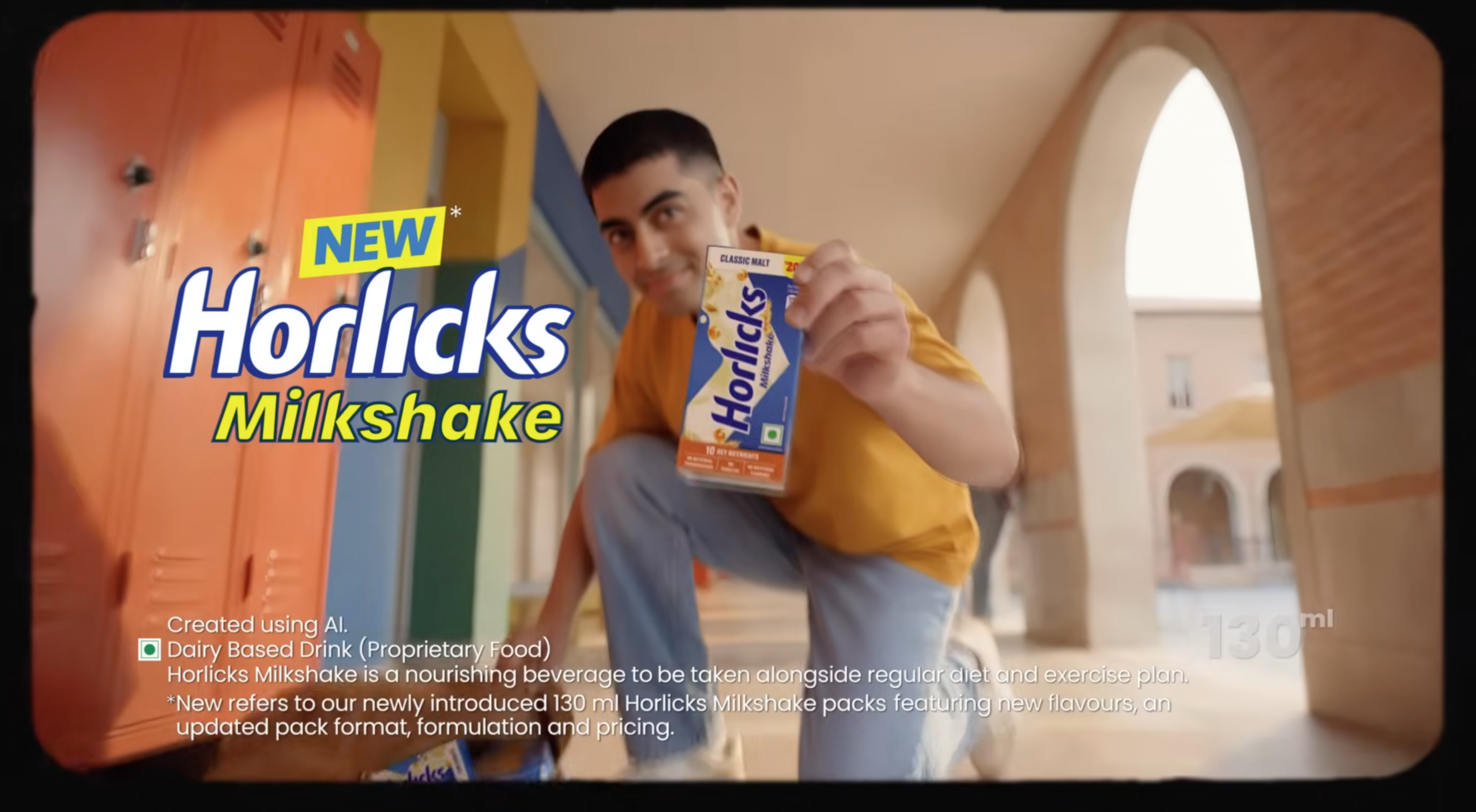
Horlicks has officially entered India’s ready-to-drink (RTD) milkshake category with a new product launch, expanding its portfolio in the country’s fast-growing convenience beverage market. The move reflects the brand’s strategy to evolve beyond its traditional powdered nutrition offerings and strengthen its presence in modern consumption formats.
The launch comes at a time when Indian consumers are increasingly seeking convenient, portable, and nutrition-led food and beverage options. Busy lifestyles, changing eating habits, and rising demand for on-the-go products have accelerated growth in the RTD segment, making it a highly competitive and opportunity-driven category.
By stepping into the milkshake space, Horlicks is combining its trusted nutritional legacy with the ease and convenience of ready-to-consume beverages. The new offering is expected to appeal to families, working professionals, young adults, and consumers looking for quick nutrition without sacrificing taste or accessibility.
The expansion also reflects broader shifts in consumer behaviour, where convenience, flavour, and functional benefits are becoming equally important purchase drivers. Supported by modern retail expansion, quick commerce growth, and digital shopping trends, ready-to-drink beverages are gaining stronger visibility across urban and emerging markets.
A key part of Horlicks’ strategy is extending its established health-focused brand identity into new consumption occasions while maintaining familiarity among loyal consumers. The RTD milkshake format allows the brand to diversify its offerings and participate more actively in a category witnessing rapid innovation and rising consumer interest.
With this launch, Horlicks reinforces its focus on product innovation, category expansion, and evolving nutrition trends, positioning itself to capture growing demand in India’s dynamic ready-to-drink beverage landscape.
advertising
Licious Turns India’s Momo Craze into a Full-Blown Campaign Feast
The campaign also reflects a wider trend in food marketing, where brands increasingly use culture-led storytelling to create stronger consumer engagement.
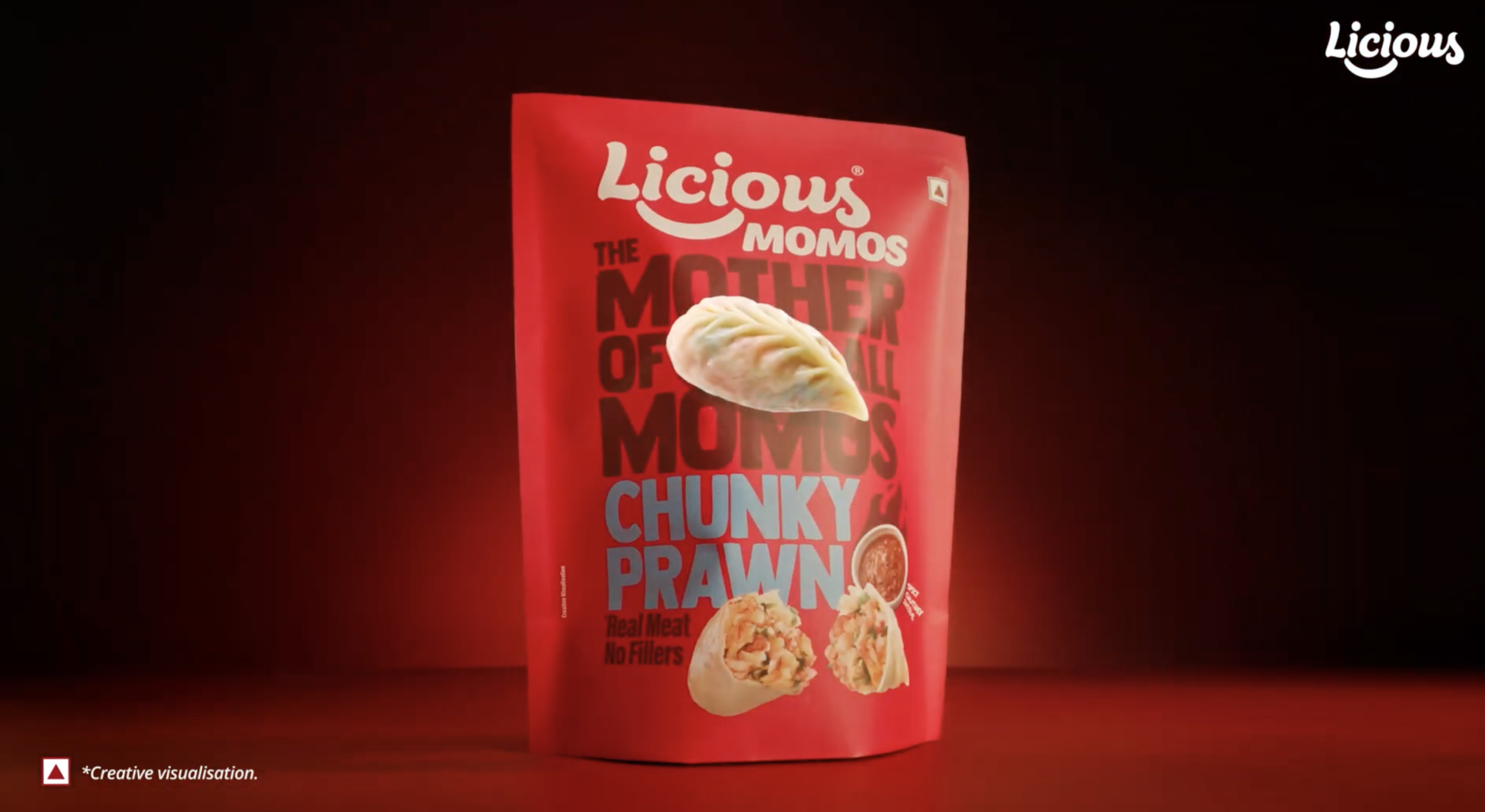
Licious has launched its latest campaign, ‘Mother of All Momos’, tapping into India’s growing obsession with momos while expanding its footprint in the ready-to-cook food category. The campaign celebrates the emotional connection consumers share with one of India’s most popular comfort foods.
Instead of positioning momos as just another product offering, Licious builds the campaign around the country’s deep-rooted momo culture. The communication highlights the brand’s attempt to deliver a premium, convenient, and consistent at-home momo experience while retaining the familiar appeal of street-style flavours.
The campaign follows a multi-platform marketing strategy spanning digital content, cinema, creator collaborations, out-of-home advertising, quick commerce integrations, and community activations. By engaging consumers across multiple touchpoints, Licious transforms its category expansion into a broader cultural conversation.
A key strength of the initiative lies in its regional storytelling approach. In Delhi-NCR, where momos are deeply embedded in local food culture, the brand leans into humour, creator-led content, and city-specific narratives. In Mumbai, the messaging positions momos as a quick, comforting food choice suited to fast-paced urban lifestyles.
The campaign also reflects a wider trend in food marketing, where brands increasingly use culture-led storytelling to create stronger consumer engagement. Rather than relying solely on product promotion, Licious focuses on behaviour, cravings, and shared food experiences.
With ‘Mother of All Momos’, Licious strengthens its positioning in a highly competitive category while reinforcing its promise of trust, convenience, and quality. The campaign demonstrates how brands can turn everyday food habits into relatable and high-impact storytelling.
-

 Fashion11 years ago
India’s Fashion Spending Is Slowing—But Getting More Intentional
-
 Business9 years ago
Performance Marketing vs Brand Building: What Works in 2026?
-

 Fashion6 months ago
Hyderabad’s Pop-Up Scene Is Buzzing This Month
-

 Entertainment9 years ago
The old and New Edition cast comes together to perform
-
Sports9 years ago
Phillies’ Aaron Altherr makes mind-boggling barehanded play
-

 Business9 years ago
Why Storytelling Is Still the Strongest Marketing Tool
-
Sports9 years ago
Steph Curry finally got the contract he deserves from the Warriors
-
Entertainment9 years ago
Mod turns ‘Counter-Strike’ into a ‘Tekken’ clone with fighting chickens