
Travel
The Algorithmic Muse: How AI Is Transforming Brand Storytelling
There is proof that the food business creates highly processed foods to maximize craveability, make us desire more, and make them more rewarding.


Artificial intelligence is rapidly becoming the silent partner behind some of the most compelling brand campaigns today. No longer confined to automation or analytics, AI is stepping into the role of a creative catalyst—reshaping how brands imagine, produce, and distribute their stories.
At the heart of this transformation is speed. AI-powered tools can generate multiple campaign concepts, visual styles, and messaging directions within minutes. This allows creative teams to explore a broader range of ideas early in the process, leading to more refined and innovative outcomes. What used to be a linear journey from brief to execution is now a dynamic, iterative loop.
But AI’s influence goes beyond efficiency—it’s changing the nature of storytelling itself. By analyzing consumer data, cultural trends, and engagement patterns, AI helps brands craft narratives that are not only creative but also highly relevant. Stories can now evolve in real time, adapting to audience reactions and behaviors as campaigns unfold.
Another significant shift is the rise of adaptive content. Brands are moving away from one-size-fits-all messaging toward fluid, personalized experiences. AI enables content to be tailored to different audiences, platforms, and moments—ensuring that each interaction feels timely and meaningful.
However, this new creative paradigm comes with responsibilities. As AI-generated content becomes more prevalent, brands must navigate concerns around authenticity and trust. Audiences are increasingly aware of machine-generated media, and transparency will play a key role in maintaining credibility.
Ultimately, AI is not replacing the human spark—it’s amplifying it. The most successful brands will be those that use AI not as a shortcut, but as a strategic partner. By combining machine intelligence with human imagination, they can create work that is not only efficient and scalable, but also deeply resonant.

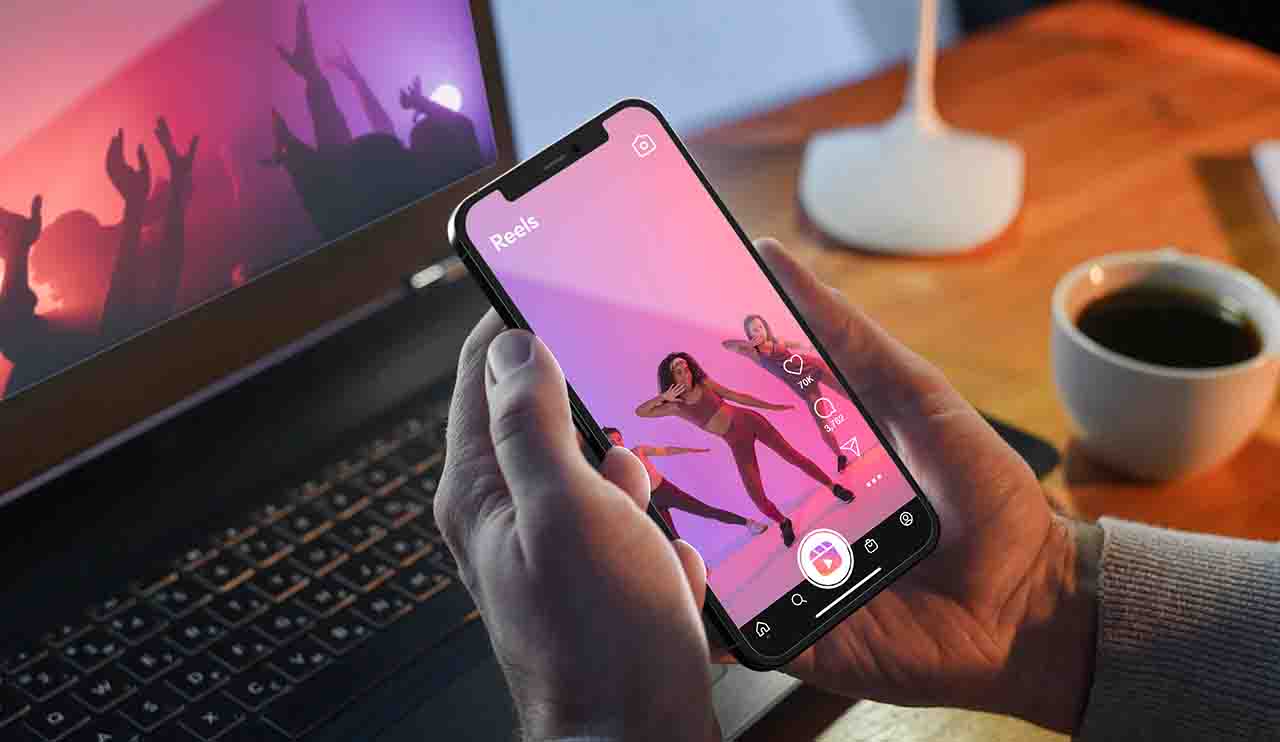
The OTT industry is entering its next phase—and it’s vertical. In 2026, the battle is no longer just about what people watch, but how they watch it. With mobile screens dominating consumption, vertical OTT content is emerging as one of the most promising opportunities in the streaming ecosystem.
For years, OTT platforms focused on cinematic, horizontal formats designed for TVs and laptops. But the reality today is different. Most content is consumed on phones, and users rarely rotate their screens. This simple behavior shift has opened the door for vertical storytelling—content designed specifically for how people naturally hold their devices.
Platforms like TikTok and Instagram Reels have already proven the power of vertical video. They’ve trained audiences to engage with content that is quick, immersive, and optimized for mobile. Now, OTT platforms are beginning to adopt this format, creating vertical shows, mini-series, and episodic content tailored for on-the-go viewing.
The biggest advantage of vertical OTT lies in accessibility. It removes friction. There’s no need to adjust screens or create a “viewing setup.” Content becomes instant and effortless, fitting seamlessly into daily routines—during commutes, breaks, or even while multitasking. This convenience is a major factor driving engagement.
Another opportunity is storytelling innovation. Vertical format forces creators to rethink composition, framing, and pacing. Close-ups feel more intimate, transitions feel faster, and the narrative becomes more direct. This creates a different kind of viewing experience—one that feels personal and immediate.
For viewers, this shift means more content designed around their behavior rather than traditional formats. Stories are becoming shorter, sharper, and more engaging. Instead of long episodes, vertical OTT content often comes in bite-sized formats that encourage binge-watching in short bursts.
From a business perspective, vertical OTT opens up new monetization possibilities. It bridges the gap between social media and traditional streaming. Brands can integrate more seamlessly into content, ads can feel more native, and creators can experiment with new formats that blend entertainment with engagement.
There is also a strong connection between vertical OTT and the creator economy. Independent creators, who are already comfortable with vertical formats, can now move into more structured storytelling. This lowers the barrier to entry and brings fresh voices into the OTT space.
However, this transition is not without challenges. Traditional filmmakers often struggle to adapt to vertical framing, and not all types of content translate well into this format. Large-scale cinematic experiences still belong to horizontal screens. The key is not replacement, but coexistence.
The real opportunity lies in hybrid models. Platforms that combine long-form cinematic content with vertical, mobile-first storytelling will have a clear advantage. They can cater to both lean-back viewing and quick, on-the-go consumption.
In 2026, vertical OTT is not just a format—it’s a reflection of changing habits. It acknowledges that viewers want content that fits into their lives, not the other way around.
The next big winners in streaming will not just create great content—they will create it in the format people actually prefer. And right now, that format is vertical.
Fashion
From Maxi Dresses to Linen Co-ords: 7 Summer Outfits That Keep You Cool and Stylish
A flowy maxi dress remains a go-to staple for the season.

When temperatures rise, the key to dressing well lies in choosing outfits that balance comfort with style. Summer fashion is all about breathable fabrics, relaxed silhouettes, and effortless styling—and these outfit choices capture exactly that.

A flowy maxi dress remains a go-to staple for the season. Light, airy, and easy to wear, it offers both comfort and elegance, making it perfect for everything from casual outings to vacations.
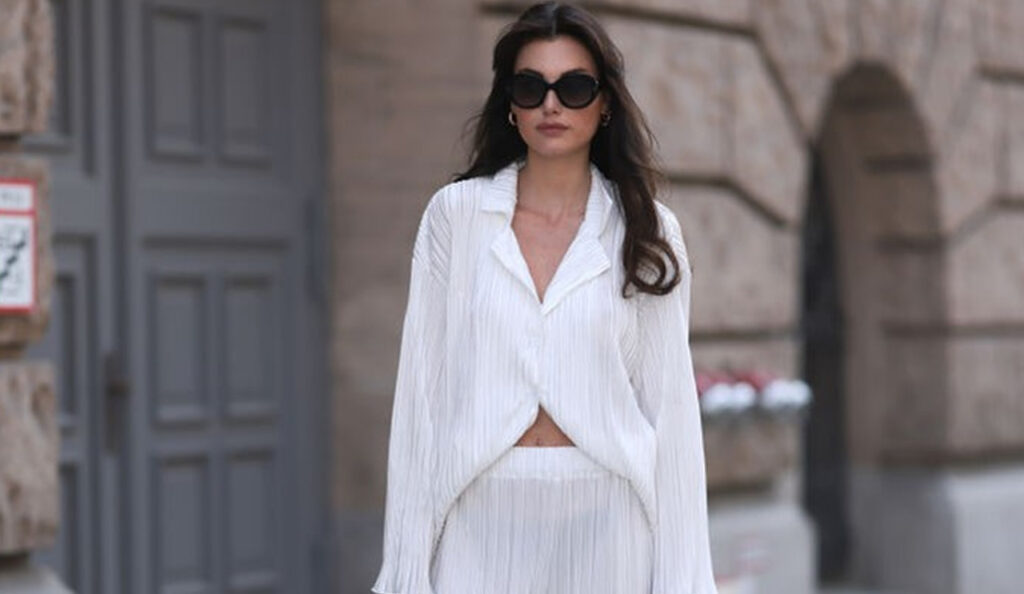
Linen co-ord sets are another standout trend. Known for their breathable fabric and structured yet relaxed look, these matching sets make dressing up simple while keeping you cool throughout the day.

Cotton midi dresses also hold their place as a summer essential. With soft textures and easy fits, they are ideal for everyday wear, offering a mix of practicality and style.
For a more playful look, floral dresses bring freshness to your wardrobe. Their vibrant prints and breezy fabrics reflect the spirit of summer, making them perfect for daytime plans.

Denim shorts paired with lightweight tops continue to be a classic choice. This combination creates a casual, effortless vibe that works well for both city outings and travel.

Kaftans add a relaxed, resort-style feel to summer dressing. With their loose fit and breathable material, they are perfect for staying comfortable while still looking put together.

Rounding out the list are skirt-and-top combinations, which offer versatility and easy styling. Whether dressed up or down, they allow for multiple looks while keeping the outfit light and breathable.

Overall, summer fashion is about choosing pieces that feel as good as they look—focusing on comfort, simplicity, and effortless style without compromising on trends.
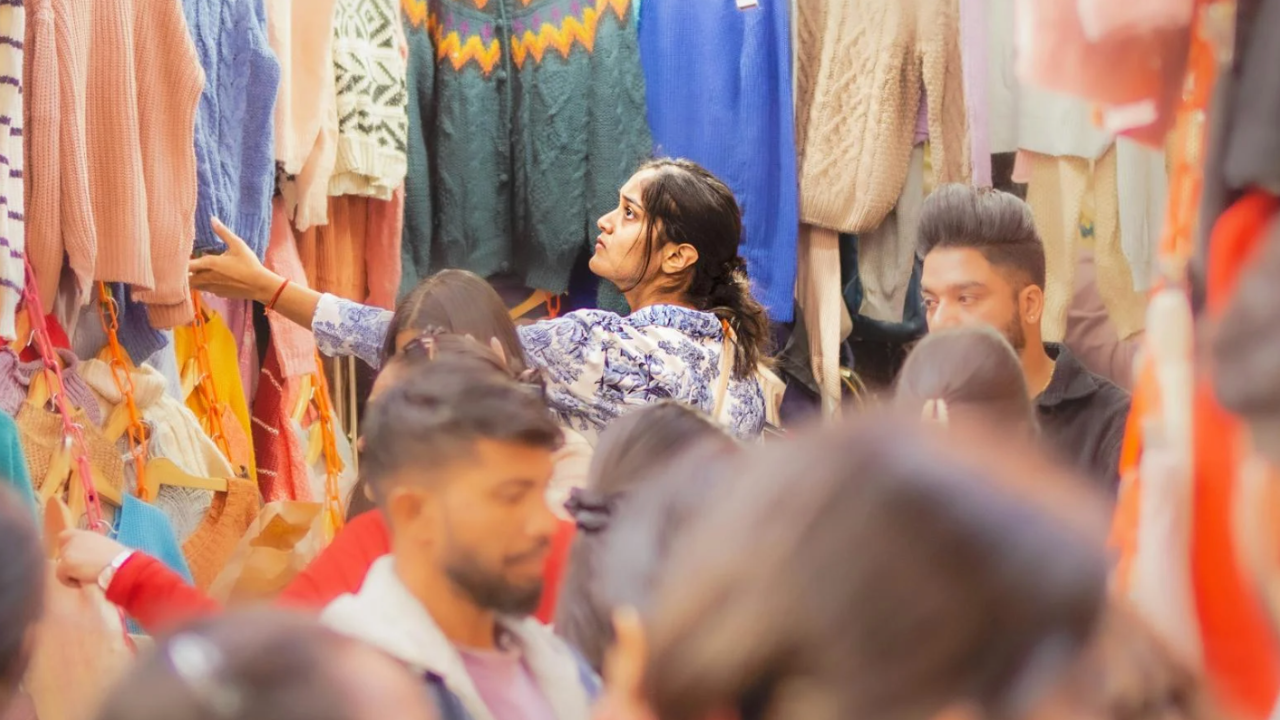
India’s brand landscape is undergoing a creative transformation, driven by a powerful mix of digital adoption, cultural awareness, and changing consumer expectations. Gone are the days when a single TV commercial could define a campaign. Today, Indian brands are building immersive, multi-platform narratives that are rooted in culture, conversation, and community.
One of the most defining shifts is the move toward culturally nuanced storytelling. Indian audiences are incredibly diverse, and brands are increasingly embracing regional identities, languages, and traditions in their campaigns. Instead of speaking to a monolithic “Indian consumer,” brands are crafting hyper-local stories that feel authentic and relatable—whether it’s a festive campaign tailored for Tamil Nadu or a digital activation celebrating North-East culture.
Another major evolution is the rise of purpose-driven campaigns. Modern Indian consumers, especially younger audiences, expect brands to stand for something beyond their products. Campaigns today often engage with social themes such as sustainability, gender equality, mental health, and inclusivity. When done thoughtfully, these campaigns don’t just sell—they spark dialogue and build long-term trust.
Digital platforms have also reshaped how campaigns are created and consumed. Social media, short-form video, and influencer collaborations are now central to campaign strategy. Brands are no longer just broadcasting messages—they’re participating in conversations. Memes, trends, and real-time marketing have become powerful tools, allowing brands to stay relevant in a fast-moving cultural landscape.
Influencer marketing, in particular, has matured significantly in India. It’s no longer just about celebrity endorsements; micro and regional influencers are playing a crucial role in building credibility and reaching niche audiences. Their ability to connect with followers on a personal level makes campaigns feel more organic and less like traditional advertising.
Technology, including AI and data analytics, is further accelerating this evolution. Brands can now track audience behavior in real time, optimize campaigns on the fly, and personalize content at scale. This has led to more agile and responsive marketing strategies, where campaigns are continuously refined based on performance.
However, with greater visibility comes greater scrutiny. Indian consumers are quick to call out inauthentic or tone-deaf campaigns. As a result, brands are investing more in understanding cultural context and ensuring their messaging aligns with audience values.
In this new era, successful campaigns in India are those that go beyond visibility to create meaningful engagement. They are rooted in insight, powered by technology, and driven by a genuine understanding of people.
Indian brands are no longer just advertising—they’re participating in culture, shaping conversations, and building communities.
-

 Fashion11 years ago
India’s Fashion Spending Is Slowing—But Getting More Intentional
-
 Business9 years ago
Performance Marketing vs Brand Building: What Works in 2026?
-

 Fashion6 months ago
Hyderabad’s Pop-Up Scene Is Buzzing This Month
-

 Entertainment9 years ago
The old and New Edition cast comes together to perform
-
Sports9 years ago
Phillies’ Aaron Altherr makes mind-boggling barehanded play
-

 Business9 years ago
Why Storytelling Is Still the Strongest Marketing Tool
-
Sports9 years ago
Steph Curry finally got the contract he deserves from the Warriors
-
Entertainment9 years ago
Mod turns ‘Counter-Strike’ into a ‘Tekken’ clone with fighting chickens