
Showbiz
Vloggers Share a Novel Approach to Recording Videos for Instagram TV


Employees of two Thomas Cook travel agency offices in Dublin, Ireland have occupied their offices in response to management’s announcement of earlier closure dates for the sites. On Friday, July 31, 40 employees at the Thomas Cook store in Grafton Street began an occupation protest after the sudden announcement of the store’s immediate closure; workers at the store had previously been told, when the closures were announced on May 12, that the businesses would remain open until September 6.
We were not in any position to consult with senior managers who had their own hidden agenda
Pauline McManigan, Direct Holidays employee

Before the occupations began, workers at Thomas Cook’s locations, who are members of trade union the Transport Salaried Staffs’ Association (TSSA) had voted unanimously to strike, alleging that the closures were being done without sufficient consultation of staff by Thomas Cook management. Caroline Cullen, accounts assistant and TSSA staff representative at the Grafton Street location, characterises the behaviour of Thomas Cook management as “intimidation”.
Creating visual rhythms in your layouts
When the consultation period had finished, she said, Thomas Cook management sent Simon Robinson, an executive director of the company, and a male colleague of his to close the office. The presence of the Thomas Cook executives, two high-ranking, business-suited men, in an office where forty-two of forty-four employees are women is itself intimidating, Cullen asserts; she says that Robinson furthermore attempted to “bully” the employees into accepting the five-week redundancy offer by saying that if they did not accept, they would receive only the statutory minimum. “You cannot live on 5 weeks”, says Cullen. “Travel agents are closing every week. There’s a hiring freeze at the banks. There are no jobs out there…We need 8 weeks to live on for the next two years while we look for jobs.” The extra three weeks’ redundancy pay would, she estimates, cost Thomas Cook €400,000.
A series of TSSA demonstrations against Thomas Cook took place
Thomas Cook has accused the TSSA of making use of “dirty tactics”, according to a statement from Thomas Cook UK & Ireland CEO Pete Constanti. A court order has been delivered to the Grafton Street office requiring the occupiers to turn the keys over to Thomas Cook management. The TSSA, meanwhile, says that Thomas Cook is “riding roughshod over the right to take industrial action by marching staff into a room and telling them they are going to close immediately”.
Key Features of the Our Agreement
Cullen says that the occupation began spontaneously. “We didn’t think it would go so far”, she told Wikinews, but when the closure of the office was announced, the staff “opened the windows and started screaming, ‘we’re not moving, we’re not moving’. We haven’t moved since.”
Just look what to do
Monday, August 3 is a bank holiday in Ireland. Both sides in the dispute have delivered ultimata: Thomas Cook management demands that all staff return to work on Tuesday morning as usual or else the offer of five weeks’ pay will be reduced to the statutory two week’s pay, while the TSSA says that if Thomas Cook management do not produce a better redundancy offer by Tuesday then the business will face a boycott by the TSSA’s 800,000 members.

Ireland’s Socialist Party and Dublin MEP Joe Higgins have declared their support for the Thomas Cook occupiers, with a press release on Higgins’ official webpage saying
You are clear ahead
The High Court order for workers to end their occupation and the threat of Garda action is a disgrace….The trade union movement must mobilise to prevent the Gardaí being used against these workers. Supporters and trade union activists should come to the offices to support the workers’ action and defend the occupation against any attempt to force them out.
Diving into UX and UI design
Socialist Party members have been leafletting Dublin over the weekend promoting demonstrations in support of the Thomas Cook employees. The smaller Socialist Workers Party has also declared its support and conducted demonstrations for the occupiers.

advertising
‘Ek Shaam Papa Ke Naam’: IndiaFirst Life Celebrates the Man Beyond the Father Figure
Through relatable storytelling, IndiaFirst Life highlights how fathers are often recognised for their sacrifices and contributions but rarely appreciated as individuals with their own journeys and emotions.
IndiaFirst Life Insurance has launched its emotionally driven campaign, ‘Ek Shaam Papa Ke Naam’, encouraging families to spend meaningful time with their fathers and understand the person behind the responsibilities. Moving beyond the traditional Father’s Day narrative, the campaign focuses on building deeper emotional connections through conversation, reflection, and shared experiences.
At the heart of the initiative lies a simple yet powerful insight: while fathers often dedicate their lives to supporting and caring for their families, their personal stories, dreams, struggles, and aspirations frequently remain unheard. The campaign encourages people to set aside time for meaningful conversations and discover aspects of their fathers’ lives that may have never been discussed before.
Through relatable storytelling, IndiaFirst Life highlights how fathers are often recognised for their sacrifices and contributions but rarely appreciated as individuals with their own journeys and emotions. By shifting the focus from gratitude alone to genuine understanding, the campaign creates a more intimate and human perspective on parent-child relationships.
The initiative also reflects the brand’s larger commitment to helping families build stronger emotional and financial foundations. Instead of relying on conventional insurance messaging, the campaign addresses a universal family dynamic that resonates across generations.
In today’s fast-paced world, where schedules, responsibilities, and digital distractions often limit meaningful interactions, ‘Ek Shaam Papa Ke Naam’ serves as a reminder to pause and reconnect. The campaign reinforces the importance of listening, sharing, and creating memories that go beyond everyday routines.
With this initiative, IndiaFirst Life delivers a heartfelt message about family bonds, emotional wellbeing, and the value of truly knowing the people who have shaped our lives.
advertising
D.A.V. Public School Leads the Way in Creating Safer Classrooms with Bullying Decoder Initiative
Guided by Dr. Anita Gautam’s vision of holistic education, the Bullying Decoder represents a shift from reactive discipline to proactive care.
Faridabad, Haryana: Reinforcing its commitment to creating a safe, empathetic, and future-ready learning environment, DAV PUBLIC SCHOOL, SEC 14, FARIDABAD, under the leadership of Dr. Anita Gautam, has introduced an innovative initiative, Bullying Decoder, aimed at understanding and addressing verbal bullying within classrooms.
The initiative has been developed in collaboration with Dentsu Lab India and Classteacher Learning Systems, bringing together educational insight and technological innovation to address a deeply rooted but often overlooked challenge in schools.
Located at D.A.V. Public School, Sector 14, Faridabad, Haryana, the institution has taken a pioneering step by thoughtfully integrating this solution into its student well-being framework—setting a strong example for schools across the country.
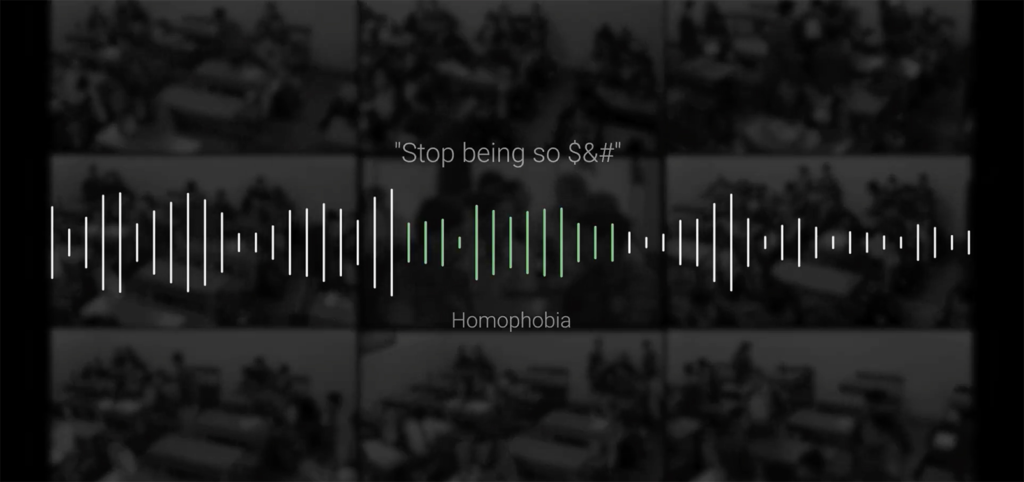
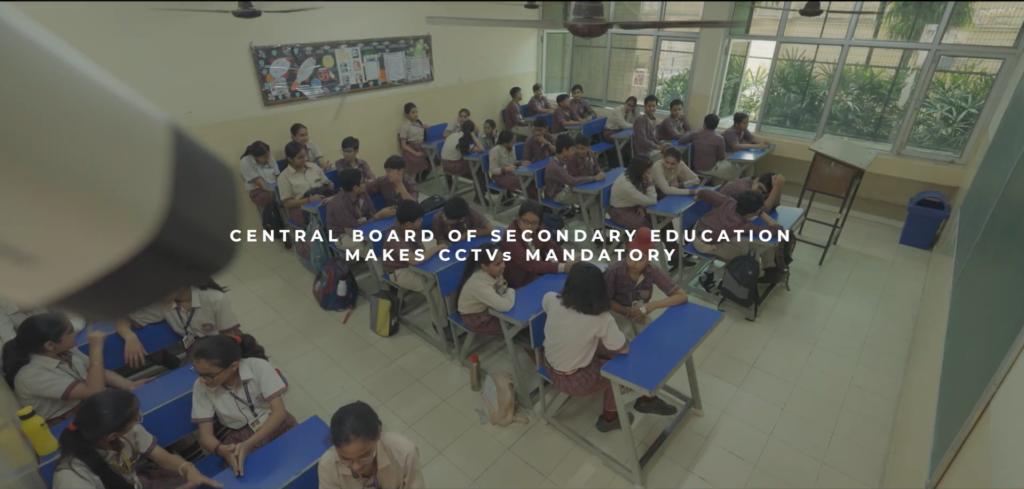
While traditional systems in schools have largely focused on monitoring physical safety, the school identified a critical gap—verbal bullying, which often goes unnoticed but leaves a lasting emotional impact. Guided by Dr. Anita Gautam’s vision of holistic education, the Bullying Decoder represents a shift from reactive discipline to proactive care.
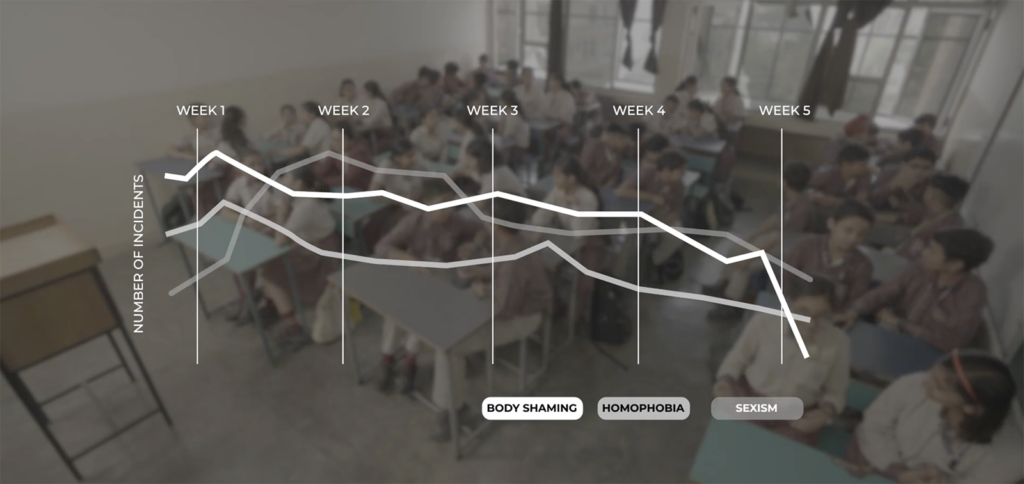
The system works by analysing patterns in classroom conversations to identify trends related to behaviours such as body shaming, exclusion, and harmful remarks. Importantly, all insights are aggregated and anonymised, ensuring complete student privacy while enabling educators to take meaningful, informed action.
What distinguishes D.A.V. Public School is its deeply student-centric approach. The insights generated are actively used by counsellors to design contextual, age-appropriate interventions, making conversations around empathy, respect, and inclusion more relevant and impactful for students.
Early results from the 2025–2026 academic session reflect a significant positive shift, with a decline in bullying instances by 54.6%, alongside improved classroom sensitivity and peer relationships. The initiative has also contributed to a stronger sense of trust and openness within the school community.
Principal’s Message
Speaking about the initiative, Dr. Anita Gautam, Principal, DAV PUBLIC SCHOOL, SEC 14,FARIDABADl, said:
“At D.A.V. Public School, we believe that education goes beyond academics—it is about shaping emotionally aware and responsible individuals. Bullying Decoder has helped us understand our students better, not by identifying individuals, but by recognising patterns that need attention. This has empowered us to respond with empathy and precision.”
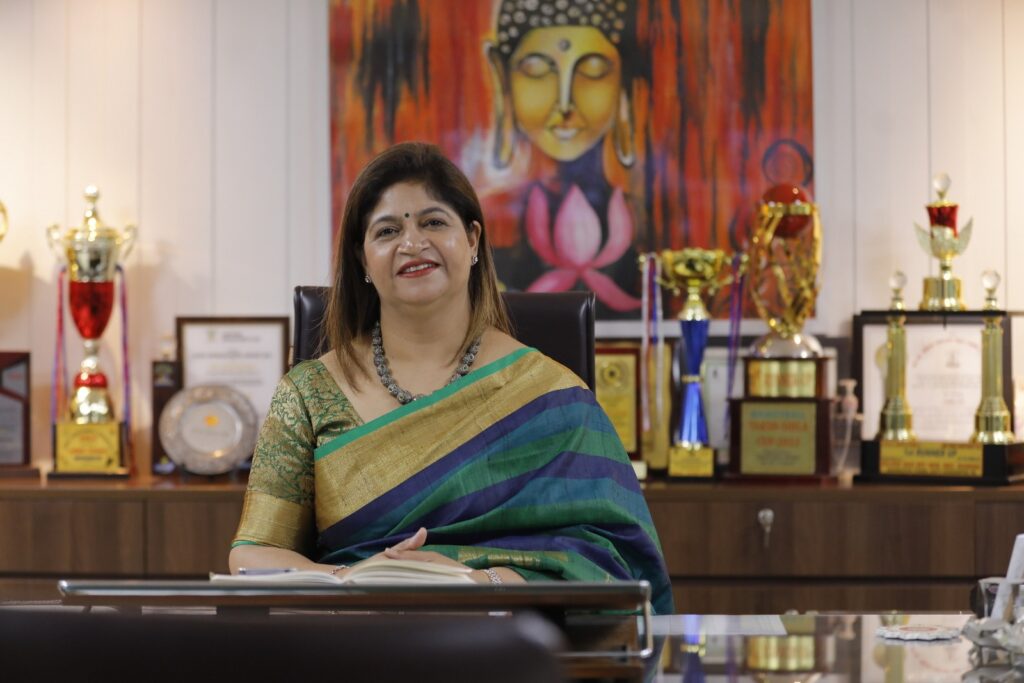
“Our focus has always been to create an environment where every child feels safe, heard, and valued. Seeing a measurable decline in bullying and a positive change in classroom culture is deeply encouraging for us as educators.”
By embracing innovation with responsibility, D.A.V. Public School continues to lead by example—demonstrating how schools can evolve into spaces that prioritise both academic excellence and emotional well-being, while collaborating with forward-thinking partners to bring meaningful change.

The OTT industry is entering its next phase—and it’s vertical. In 2026, the battle is no longer just about what people watch, but how they watch it. With mobile screens dominating consumption, vertical OTT content is emerging as one of the most promising opportunities in the streaming ecosystem.
For years, OTT platforms focused on cinematic, horizontal formats designed for TVs and laptops. But the reality today is different. Most content is consumed on phones, and users rarely rotate their screens. This simple behavior shift has opened the door for vertical storytelling—content designed specifically for how people naturally hold their devices.
Platforms like TikTok and Instagram Reels have already proven the power of vertical video. They’ve trained audiences to engage with content that is quick, immersive, and optimized for mobile. Now, OTT platforms are beginning to adopt this format, creating vertical shows, mini-series, and episodic content tailored for on-the-go viewing.
The biggest advantage of vertical OTT lies in accessibility. It removes friction. There’s no need to adjust screens or create a “viewing setup.” Content becomes instant and effortless, fitting seamlessly into daily routines—during commutes, breaks, or even while multitasking. This convenience is a major factor driving engagement.
Another opportunity is storytelling innovation. Vertical format forces creators to rethink composition, framing, and pacing. Close-ups feel more intimate, transitions feel faster, and the narrative becomes more direct. This creates a different kind of viewing experience—one that feels personal and immediate.
For viewers, this shift means more content designed around their behavior rather than traditional formats. Stories are becoming shorter, sharper, and more engaging. Instead of long episodes, vertical OTT content often comes in bite-sized formats that encourage binge-watching in short bursts.
From a business perspective, vertical OTT opens up new monetization possibilities. It bridges the gap between social media and traditional streaming. Brands can integrate more seamlessly into content, ads can feel more native, and creators can experiment with new formats that blend entertainment with engagement.
There is also a strong connection between vertical OTT and the creator economy. Independent creators, who are already comfortable with vertical formats, can now move into more structured storytelling. This lowers the barrier to entry and brings fresh voices into the OTT space.
However, this transition is not without challenges. Traditional filmmakers often struggle to adapt to vertical framing, and not all types of content translate well into this format. Large-scale cinematic experiences still belong to horizontal screens. The key is not replacement, but coexistence.
The real opportunity lies in hybrid models. Platforms that combine long-form cinematic content with vertical, mobile-first storytelling will have a clear advantage. They can cater to both lean-back viewing and quick, on-the-go consumption.
In 2026, vertical OTT is not just a format—it’s a reflection of changing habits. It acknowledges that viewers want content that fits into their lives, not the other way around.
The next big winners in streaming will not just create great content—they will create it in the format people actually prefer. And right now, that format is vertical.
-

 Fashion11 years ago
India’s Fashion Spending Is Slowing—But Getting More Intentional
-

 Business9 years ago
Performance Marketing vs Brand Building: What Works in 2026?
-

 Fashion6 months ago
Hyderabad’s Pop-Up Scene Is Buzzing This Month
-

 Entertainment9 years ago
The old and New Edition cast comes together to perform
-
Sports9 years ago
Phillies’ Aaron Altherr makes mind-boggling barehanded play
-

 Business9 years ago
Why Storytelling Is Still the Strongest Marketing Tool
-
Sports9 years ago
Steph Curry finally got the contract he deserves from the Warriors
-
Entertainment9 years ago
Mod turns ‘Counter-Strike’ into a ‘Tekken’ clone with fighting chickens