
Must Read
WhatsApp Gets Its Own App on Apple CarPlay
WhatsApp has introduced a dedicated app for Apple CarPlay, allowing users to access key features directly from their car’s infotainment system.


WhatsApp has introduced a dedicated app for Apple CarPlay, allowing users to access key features directly from their car’s infotainment system.
The update brings a simplified interface designed for driving, making it easier to check recent chats, view call logs, and connect with frequently used contacts. It moves beyond the earlier voice-only interaction, offering a more structured and accessible experience on the dashboard.
Hands-free functionality remains central to the experience, with voice commands enabling users to send messages or make calls safely while on the road. At the same time, the interface limits distractions by keeping interactions quick and minimal.
The feature becomes available with the latest app update and automatically appears on the CarPlay screen when an iPhone is connected, offering a smoother and more integrated way to stay in touch while driving.











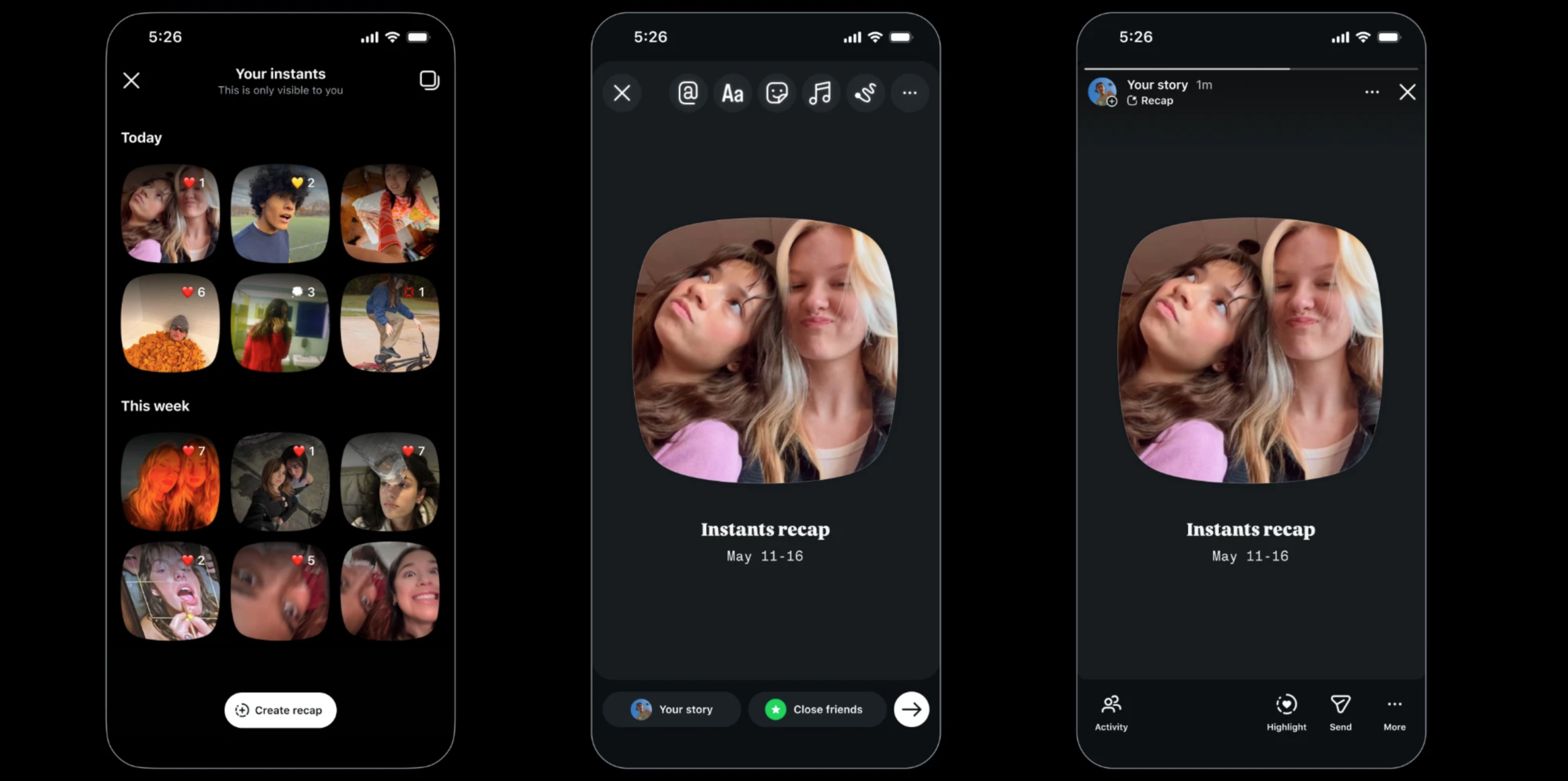
Instagram has introduced a new feature called ‘Instants’, aimed at encouraging spontaneous and real-time sharing among users. While the update is designed to make interactions feel more casual and authentic, it has also sparked anxiety and criticism across social media communities.
The feature allows users to send disappearing photos instantly through direct messages without extensive editing or review options. Unlike traditional posts or Stories, Instants focuses on immediacy, encouraging users to share moments quickly and naturally. However, many users feel the feature removes the sense of control they are accustomed to on the platform.
One of the biggest concerns surrounding Instants is accidental sharing. Since the audience settings can default to existing friend groups, users worry about sending personal or unintended photos to the wrong people. This has led to growing conversations around digital privacy, user comfort, and app design choices.
The rollout has also reignited discussions about social media pressure and online fatigue. Platforms like Instagram have long been associated with carefully curated content, making the shift toward instant and unfiltered sharing uncomfortable for some users. Many feel the feature creates unnecessary urgency and stress rather than encouraging authentic communication.
Despite offering features like disappearing content and quick interactions, the mixed response highlights the challenge platforms face while balancing innovation with user experience. Consumers today increasingly value privacy, clarity, and control over how they communicate online.
With Instants, Instagram is clearly moving towards more spontaneous social interactions. However, the early reaction suggests that users still prefer flexibility and reassurance before sharing moments in real time.
advertising
D.A.V. Public School Leads the Way in Creating Safer Classrooms with Bullying Decoder Initiative
Guided by Dr. Anita Gautam’s vision of holistic education, the Bullying Decoder represents a shift from reactive discipline to proactive care.
Faridabad, Haryana: Reinforcing its commitment to creating a safe, empathetic, and future-ready learning environment, DAV PUBLIC SCHOOL, SEC 14, FARIDABAD, under the leadership of Dr. Anita Gautam, has introduced an innovative initiative, Bullying Decoder, aimed at understanding and addressing verbal bullying within classrooms.
The initiative has been developed in collaboration with Dentsu Lab India and Classteacher Learning Systems, bringing together educational insight and technological innovation to address a deeply rooted but often overlooked challenge in schools.
Located at D.A.V. Public School, Sector 14, Faridabad, Haryana, the institution has taken a pioneering step by thoughtfully integrating this solution into its student well-being framework—setting a strong example for schools across the country.
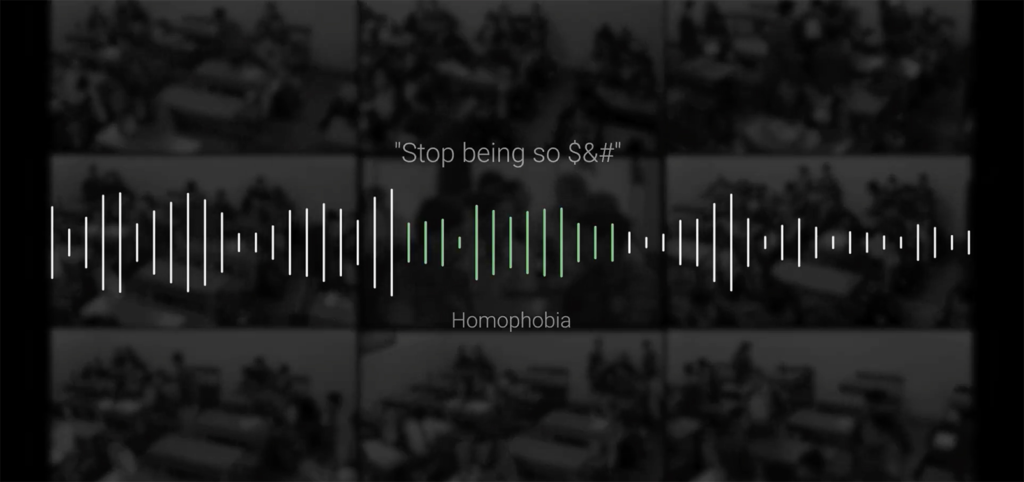
While traditional systems in schools have largely focused on monitoring physical safety, the school identified a critical gap—verbal bullying, which often goes unnoticed but leaves a lasting emotional impact. Guided by Dr. Anita Gautam’s vision of holistic education, the Bullying Decoder represents a shift from reactive discipline to proactive care.
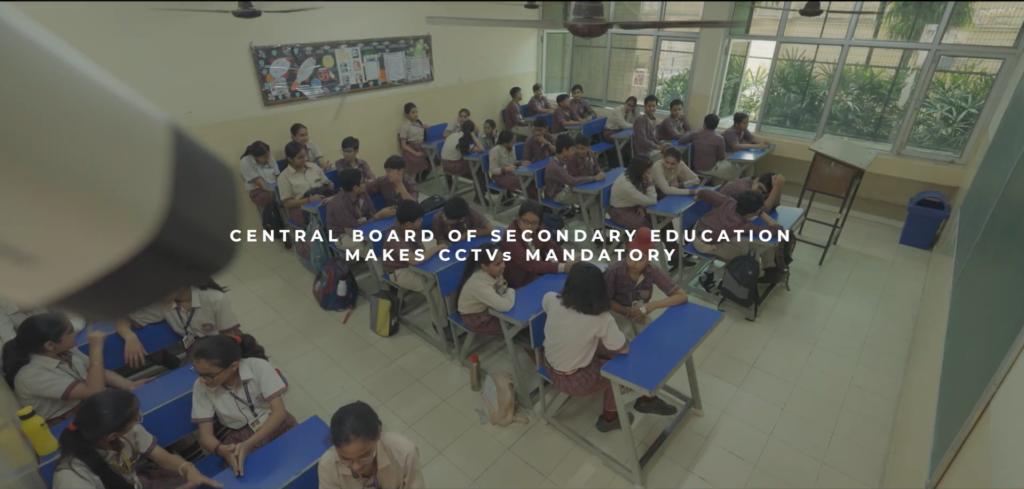
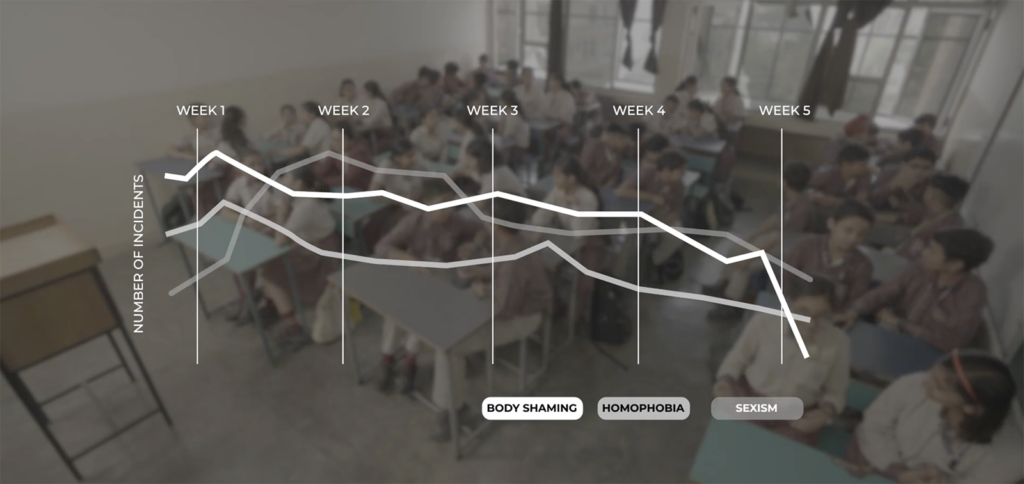
The system works by analysing patterns in classroom conversations to identify trends related to behaviours such as body shaming, exclusion, and harmful remarks. Importantly, all insights are aggregated and anonymised, ensuring complete student privacy while enabling educators to take meaningful, informed action.
What distinguishes D.A.V. Public School is its deeply student-centric approach. The insights generated are actively used by counsellors to design contextual, age-appropriate interventions, making conversations around empathy, respect, and inclusion more relevant and impactful for students.
Early results from the 2025–2026 academic session reflect a significant positive shift, with a decline in bullying instances by 54.6%, alongside improved classroom sensitivity and peer relationships. The initiative has also contributed to a stronger sense of trust and openness within the school community.
Principal’s Message
Speaking about the initiative, Dr. Anita Gautam, Principal, DAV PUBLIC SCHOOL, SEC 14,FARIDABADl, said:
“At D.A.V. Public School, we believe that education goes beyond academics—it is about shaping emotionally aware and responsible individuals. Bullying Decoder has helped us understand our students better, not by identifying individuals, but by recognising patterns that need attention. This has empowered us to respond with empathy and precision.”
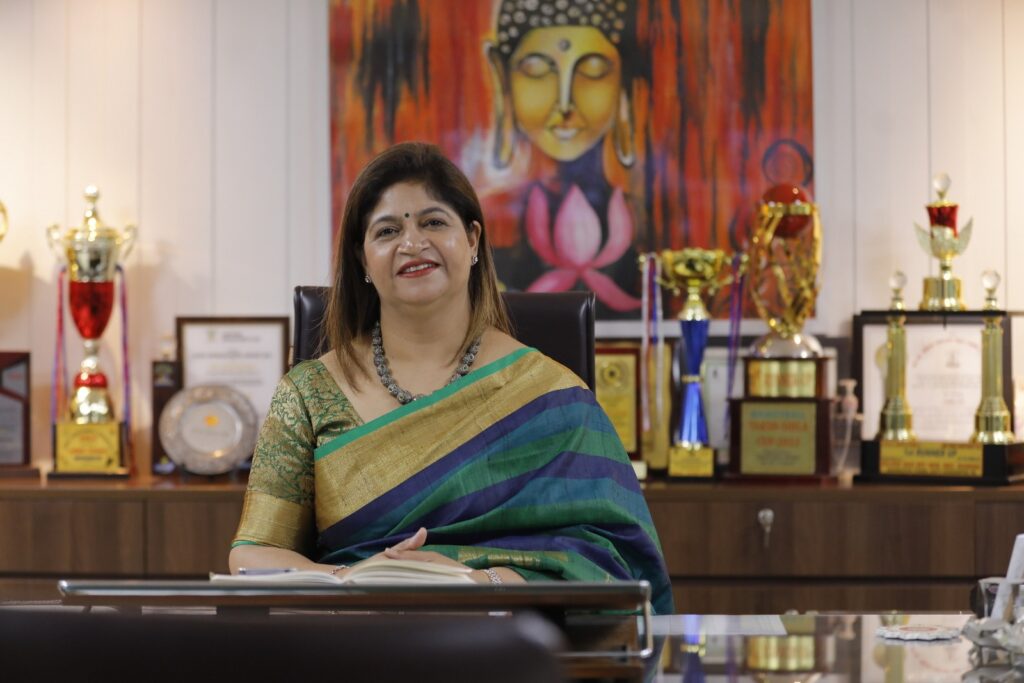
“Our focus has always been to create an environment where every child feels safe, heard, and valued. Seeing a measurable decline in bullying and a positive change in classroom culture is deeply encouraging for us as educators.”
By embracing innovation with responsibility, D.A.V. Public School continues to lead by example—demonstrating how schools can evolve into spaces that prioritise both academic excellence and emotional well-being, while collaborating with forward-thinking partners to bring meaningful change.
advertising
Goafest Levels Up with Powerhouse Partners
Goafest 2026 Gets a Power-Packed Partner Lineup
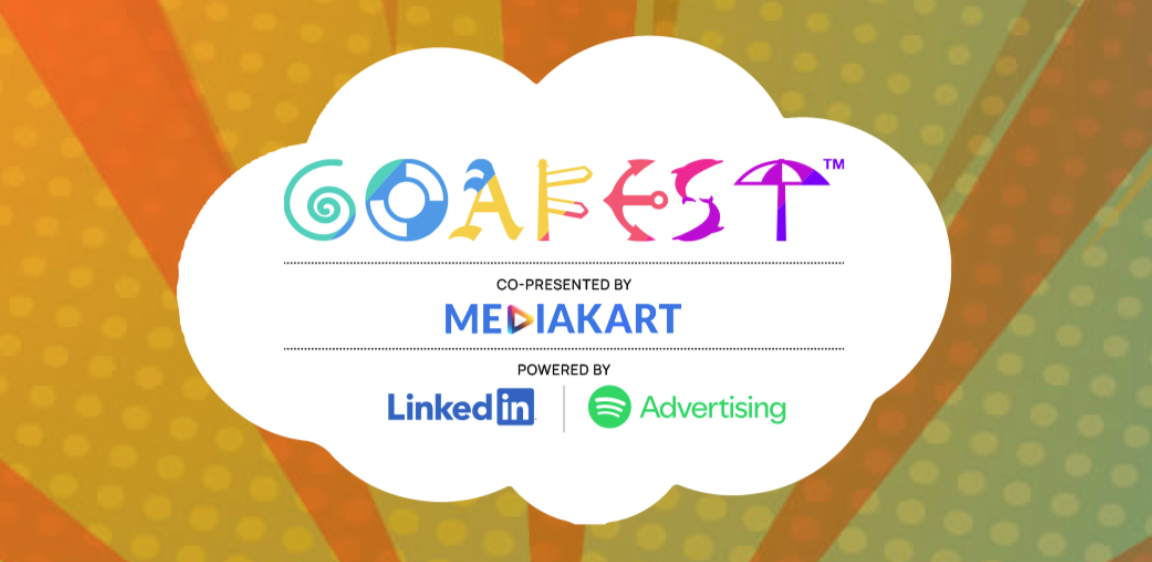
The upcoming edition of Goafest is set to make a bigger impact with the addition of key industry players strengthening its partner lineup. MediaKart has joined as the Co-presenting sponsor, while LinkedIn and Spotify Advertising step in as ‘Powered by’ partners, signaling a strong push toward digital-first conversations.
Scheduled to take place from May 20 to 22, 2026, at Taj Cidade de Goa Horizon, the festival will once again bring together leaders, innovators, and creative minds from across the advertising and media ecosystem. Known as one of South Asia’s most influential industry gatherings, Goafest continues to evolve by embracing emerging trends and new-age platforms.
This year’s partnerships highlight a clear shift toward data, technology, and content-driven engagement. MediaKart’s presence reflects the growing relevance of performance marketing and digital transformation, while LinkedIn and Spotify Advertising add depth through their expertise in professional communities and audio-led storytelling.
The festival is expected to host a dynamic mix of keynote sessions, panel discussions, and interactive masterclasses, offering fresh perspectives on how brands can stay relevant in a rapidly changing landscape. With more than just conversations, the focus will also be on actionable insights and real-world applications.
By bringing together diverse platforms and voices, Goafest 2026 aims to create a richer, more immersive experience for attendees. The expanded partner ecosystem not only enhances the scale of the event but also ensures that it remains future-ready—where creativity meets technology, and ideas turn into impactful strategies.
-

 Fashion11 years ago
India’s Fashion Spending Is Slowing—But Getting More Intentional
-

 Business9 years ago
Performance Marketing vs Brand Building: What Works in 2026?
-

 Fashion6 months ago
Hyderabad’s Pop-Up Scene Is Buzzing This Month
-

 Entertainment9 years ago
The old and New Edition cast comes together to perform
-
Sports9 years ago
Phillies’ Aaron Altherr makes mind-boggling barehanded play
-

 Business9 years ago
Why Storytelling Is Still the Strongest Marketing Tool
-
Sports9 years ago
Steph Curry finally got the contract he deserves from the Warriors
-
Entertainment9 years ago
Mod turns ‘Counter-Strike’ into a ‘Tekken’ clone with fighting chickens